
Rhinanthus ovifugus
Rhinanthus ovifugus
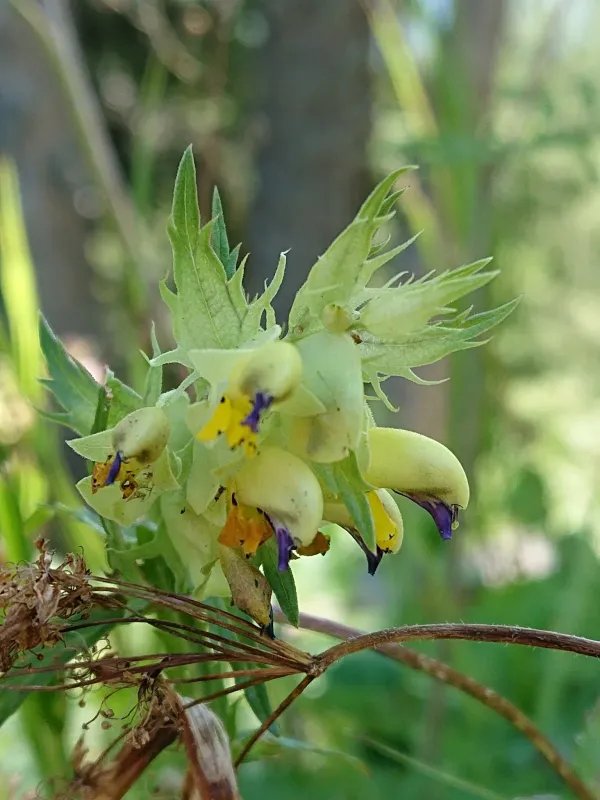
Description
Growing requirements
Rhinanthus ovifugus is an annual herbaceous plant belonging to the Orobanchaceae family. As a hemiparasite, it possesses the unique ability to photosynthesize while simultaneously extracting nutrients and water from the root systems of host plants, predominantly grasses.
The plant originates from mountainous and subalpine zones across Europe and Asia. Its habitat typically includes high-altitude meadows and grasslands where it acts as a stabilizing agent in the vegetation community, preventing dominant grasses from suppressing other flora.
Botanically, it is characterized by an erect, often branched stem and opposite, sessile leaves. During its growth, it develops specialized root structures called haustoria, which penetrate the host's roots. This symbiotic-parasitic relationship is essential for its survival.
Climate requirements include temperate conditions with sufficient moisture during the spring and summer seasons. It thrives in open areas where sunlight is abundant, as shade severely limits the photosynthetic rate and overall vigor of the individual plants.
Soil quality should ideally be neutral with good structural stability. The plant avoids waterlogged environments and requires soils that allow for efficient root penetration, as the initial contact with the host plant's root system is a critical developmental bottleneck.
Main diseases and pests
Rhinanthus ovifugus is susceptible to various fungal infections, particularly during prolonged rainy periods. Diseases such as powdery mildew can lead to rapid senescence of the foliage and significantly reduce seed production if not managed appropriately.
Herbivorous insects, specifically those that target the generative organs, represent a significant threat to the plant's reproductive success. Larvae of certain specialized moths and beetles can devastate entire clusters of seed capsules within a short timeframe.
Competition from aggressive nitrophilous plant species is a major threat. Excessive nitrogen fertilization of the surrounding soil encourages rapid growth of invasive grasses, which eventually shade out the Rhinanthus and cut off its access to host roots.
Improper mowing management is a destructive factor in agricultural landscapes. If a pasture is mowed before the seeds have fully matured and dispersed, the population of Rhinanthus ovifugus will decline rapidly in the following season.
Soil compaction caused by heavy agricultural machinery can inhibit the root expansion of both the parasite and its host. Maintaining good soil structure is vital for the long-term presence of the species in meadow ecosystems.