
Rhinanthus carinthiacus
Rhinanthus carinthiacus
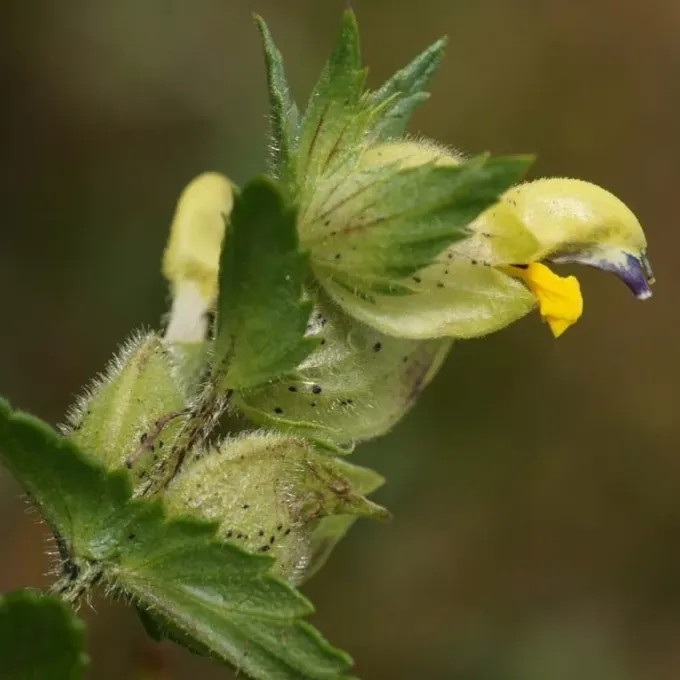
Description
Sowing dates
Rhinanthus carinthiacus is an annual herbaceous plant belonging to the Orobanchaceae family. Its biological cycle is tightly linked to the seasonal growth of grasses, as its seeds require a period of cold stratification before germination.
Effective natural re-establishment of this species in grasslands occurs when seeds are sown or allowed to scatter during the late autumn. This ensures the seeds experience the winter conditions necessary to trigger uniform germination in early spring.
The species relies on root hemiparasitism, meaning the seedlings must locate the roots of a host plant, typically a grass, to attach their haustoria. Without a suitable host in the immediate vicinity, seedling survival is significantly reduced.
Seeding density should be managed based on the specific goals for the meadow area. A well-calculated seeding rate helps maintain the balance between the hemiparasite and the surrounding grasses, preventing the former from dominating the plot.
For successful establishment, seeds should be sown on the surface of the soil with minimal coverage. Given that the plant thrives in open, sunny locations, burying the seeds too deeply can hinder their emergence and growth.
Growing requirements
Rhinanthus carinthiacus requires specific environmental conditions, favoring moist, well-drained meadow soils. It is sensitive to waterlogged ground and prolonged drought, both of which can negatively impact the health of the population.
As a hemiparasite, the plant derives a portion of its water and nutrients from the root systems of neighbors. This unique feeding mechanism allows it to thrive in competitive plant communities while simultaneously exerting pressure on dominant grass species.
The climate requirements for this plant are centered on the temperate regions of mountain and foothill areas. It is cold-tolerant and capable of handling significant fluctuations in temperature throughout the growing season.
The presence of active host species is a mandatory requirement for the development of Rhinanthus carinthiacus. In the absence of suitable host grasses, the development of the plant will be stunted, preventing it from reaching reproductive maturity.
Agricultural management should prioritize the avoidance of high-level nitrogen fertilization. Excessive nutrients favor the vigorous growth of competitive grasses, which can easily crowd out the hemiparasitic Rhinanthus species, leading to population decline.
Main diseases and pests
The primary threats to the health of the culture include fungal diseases, such as powdery mildew, which thrive in conditions of high humidity and poor airflow. Such infections can significantly reduce the biomass and seed viability.
Insect pests, including various aphids and weevils, often feed on the vegetative parts of the plant. Furthermore, lepidopteran larvae can cause substantial damage to the flower buds, impacting the overall seed production of the colony.
A significant risk factor in managed grasslands is premature mowing. If the field is cut before the seeds have fully matured and dispersed, the population will lack the necessary replenishment for the following season, often leading to local extinction.
The use of broad-spectrum herbicides in agricultural settings is highly damaging. Because Rhinanthus carinthiacus is a broad-leaved plant, it is highly susceptible to conventional weed control chemicals, which can eradicate a population rapidly.
- Infection by gray mold in stagnant, humid conditions.
- Root zone damage caused by burrowing rodents.
- Inter-species competition with aggressive invasive weeds.
Harvesting
Harvesting or management of Rhinanthus carinthiacus is primarily carried out through strategic mowing. The optimal timing is immediately after the seeds have ripened but before they shatter from the pods, allowing for control over density.
For seed collection purposes, the plants should be harvested during dry weather conditions. The stems are fragile and require careful handling to prevent the loss of seed capsules during the process of harvesting and transport.
In grazing or pasture contexts, regular mowing acts as a natural limiting factor for the population. By cutting the grass periodically, managers can effectively exhaust the soil seed bank and control the spread of the hemiparasite.
When mown, the forage containing this plant is typically included in general hay production. However, it should be noted that its nutritional value is lower than that of primary forage crops, and it should not constitute the bulk of animal feed.
Developing an effective management plan requires an understanding of the plant’s reproductive timing. Balancing mowing frequency allows for the maintenance of grassland biodiversity without relying on harmful synthetic chemicals or pesticides.