
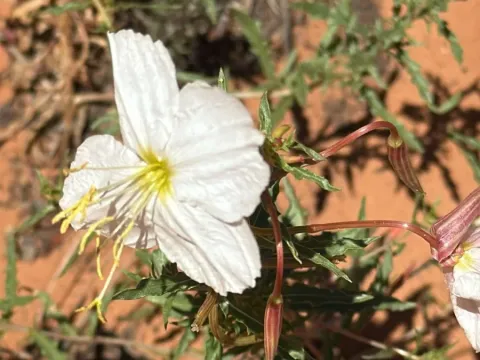
Pale evening primrose
Oenothera pallida
The pale evening primrose (Oenothera pallida) is a herbaceous perennial belonging to the Onagraceae family. In agricultural practice, seeds are typically sown in the spring once the soil temperature consistently reaches 12–15 degrees Celsius, ensuring optimal conditions for germination.
What the section contains
Pale evening primrose
For direct seeding into the field, the ideal timeframe is from late April to early May. Seeds are small and should be sown at a shallow depth of approximately 0.5–1 centimeter, as they require light to stimulate the germination process properly.
Starting plants from seedlings in greenhouses is an effective method to ensure high stand uniformity. Seeds are sown in trays during March and require moderate moisture and good lighting to develop strong root systems before they are transplanted into the main field.
Transplanting hardened seedlings occurs once the risk of night frost has passed. A standard planting density is 4–6 plants per square meter, which provides enough space for mature plants to develop without overcrowding or resource competition.
Fall sowing is an alternative in warmer climatic zones. By planting just before the onset of winter dormancy, seeds undergo natural stratification, which often results in more vigorous and uniform emergence when the soil warms up during the early spring.
This species is highly adapted to arid environments and thrives in sandy or well-drained soils. Excellent soil drainage is a primary requirement, as the plant’s root system is extremely sensitive to waterlogging and anaerobic conditions caused by stagnant water.
Oenothera pallida is notably drought-tolerant, making it an excellent candidate for regions with limited irrigation potential. Once established, it can withstand prolonged periods of high heat and low water availability without significant loss of vitality.
Full sun exposure is essential for the healthy growth of the pale evening primrose. In shaded or semi-shaded environments, the plant tends to become etiolated and floppy, resulting in reduced flower production and a decrease in the overall quality of the stand.
The ideal soil pH for this culture ranges from neutral to slightly alkaline. It does not perform well in highly acidic or saline soils, so site preparation should involve testing and adjusting the chemical properties of the substrate to ensure favorable growth conditions.
Fertilization management should focus on avoiding excessive nitrogen, which promotes vegetative growth at the expense of flowering. Balanced nutrient inputs with a focus on potassium and phosphorus are recommended to enhance structural integrity and overall plant health.
The most significant threat to this culture is root rot, primarily caused by excessive soil moisture and poor drainage. Once root decay begins, the plant’s vascular system fails, leading to rapid wilting and eventual death, especially during humid spells.
Aphids represent a major pest risk, particularly during the early stages of bud development. They congregate on terminal shoots and extract sap, which can stunt growth and deform the flowers. Regular scouting and early intervention with soaps or systemic pesticides are critical.
Spider mites can become problematic in hot and dry climates. They damage leaf tissue by piercing cells and extracting chlorophyll, resulting in stippled, yellowing leaves. Maintaining adequate moisture around the base of the plant can help discourage mite outbreaks.
Powdery mildew is a fungal disease that can affect foliage when air circulation is poor or humidity levels remain high for extended periods. Pruning and proper plant spacing are vital management tools to maintain airflow and minimize the impact of this pathogen.
Maintaining a rigorous crop rotation schedule is necessary to avoid the buildup of soil-borne pathogens. Planting Oenothera pallida in fields previously occupied by other members of the Onagraceae family should be avoided to break disease cycles and ensure productivity.