
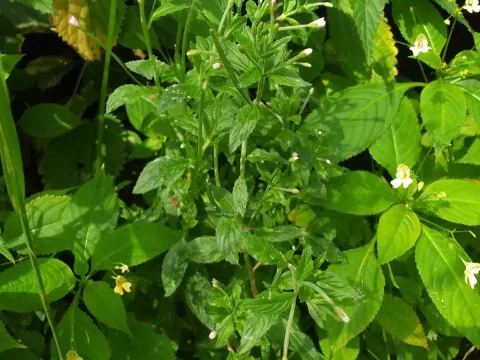
Pale willowherb
Epilobium roseum
Pale willowherb (Epilobium roseum) is a herbaceous perennial plant belonging to the Onagraceae family. It is naturally distributed across Europe and parts of Asia, frequently colonizing moist soil environments.
What the section contains
Pale willowherb
The plant is characterized by a sturdy, erect stem that typically grows to a height of 30 to 80 cm. Its leaves are lanceolate and finely toothed, providing the plant with a distinctive appearance during the vegetative stage.
Regarding soil requirements, the species thrives in nutrient-rich, moist loams. It is highly sensitive to drought conditions, necessitating consistent soil moisture levels throughout the active growth period.
Pale willowherb prefers temperate climates with moderate rainfall. It is remarkably resilient to cold temperatures, making it a reliable perennial in northern regions where the growing season is short but moisture is abundant.
In agricultural practice, this species is valued primarily for its role as a honey plant, supporting local biodiversity and pollinator populations throughout its blooming cycle.
The primary threats to this culture include fungal infections such as rust and leaf spot diseases, which are exacerbated by high humidity levels and poor field drainage.
Insects like aphids and various species of caterpillars are known pests that feed on the soft tissues of the plant, potentially stunting its growth if left unchecked.
Weed control is essential, as the pale willowherb cannot compete effectively with aggressive invasive grasses during its initial establishment phase.
To mitigate disease pressure, it is recommended to maintain adequate plant spacing, which ensures proper ventilation and limits the spread of airborne pathogens.
Farmers should implement integrated pest management strategies to protect the crop while minimizing the use of synthetic pesticides that could harm beneficial pollinators.