
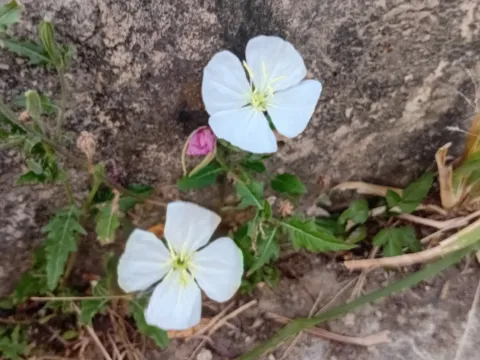
Oenothera tetraptera
Oenothera tetraptera
Sowing Oenothera tetraptera is typically performed in early spring once soil temperatures reach at least 10–12°C, or via late autumn sowing into prepared ground. The seeds are very fine, so they should be sown on the surface with minimal soil cover, as depth significantly affects germination rates.
What the section contains
Oenothera tetraptera
During the spring sowing phase, consistent soil moisture is crucial for uniform emergence, which usually takes two to three weeks. Optimal row spacing is recommended at 30–40 cm to allow for efficient weeding and to ensure that each plant has adequate access to nutrients and light.
For commercial production, a seedling transplant method is preferred to optimize field density and reduce early-stage crop loss. Transplanting into open fields should occur once the danger of severe frost has passed and the root system is well-established.
Target planting density is approximately 15–20 plants per square meter. Maintaining this density is essential to prevent overcrowding, which can otherwise lead to stem etiolation and increased susceptibility to fungal pathogens due to poor air circulation.
Thinning should be carried out after the appearance of the first true leaves to ensure that only the healthiest plants remain in the row. This practice promotes the development of a strong taproot, which is vital for the plant's long-term endurance in varying environmental conditions.
Oenothera tetraptera belongs to the Onagraceae family and is an obligate light-loving plant. It requires full sun exposure throughout the entire vegetation period to maximize biomass production and seed set, as shading negatively impacts its overall vigor.
Regarding soil requirements, this species thrives in loose, well-drained sandy loam or fertile loamy soils. It is particularly sensitive to waterlogging; therefore, effective field drainage is a fundamental requirement for successful cultivation in regions with high precipitation.
The plant is highly drought-tolerant due to its deep taproot system, which can tap into deep moisture reserves. However, supplemental irrigation during the peak budding and flowering phases is recommended to achieve high-quality yields in drier production seasons.
Nutrient management should focus on a balanced application of fertilizers. A nitrogen-rich application is beneficial during early vegetative growth, while switching to phosphorus and potassium-based fertilizers during the budding phase supports fruit development.
This species shows great adaptation to temperate climates and can withstand moderate temperature fluctuations. Its resilience makes it a versatile candidate for cultivation across various geographical zones, provided that basic agronomic standards are met.
The primary pathological threat to this crop is powdery mildew, which thrives under high humidity and poor ventilation. Cultural control, such as maintaining proper plant spacing and removing excess weeds, is the most effective way to prevent widespread infection.
Common insect pests include aphids and plant bugs, which target young shoots and developing buds. Regular field scouting is necessary to identify infestations early, allowing for targeted pest management strategies before the population reaches critical levels.
Root rot is a common issue linked to poor drainage or overwatering. Infected plants exhibit stunted growth and yellowing leaves; implementing a strict crop rotation schedule helps avoid the buildup of soil-borne pathogens and ensures long-term field health.
Foliar leaf spots can occur during extended wet periods. Applying biological fungicides is a recommended practice to manage these infections effectively, preserving both the aesthetic and commercial quality of the crop without disrupting the local ecosystem.
Sanitation practices, such as the removal of post-harvest residues, are vital for breaking the disease cycle. By eliminating the debris where pathogens and pests overwinter, growers can significantly reduce the risk of future outbreaks in subsequent planting cycles.