
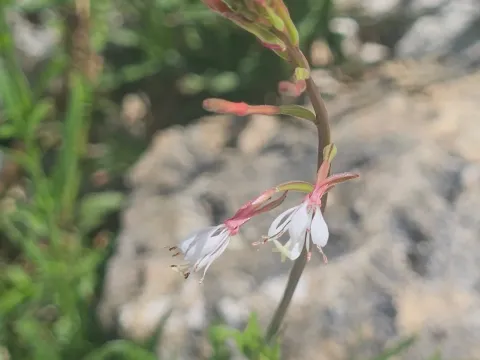
Oenothera simulans
Oenothera simulans
Oenothera simulans, a member of the Onagraceae family, is an underutilized but promising crop for agricultural production.
What the section contains
Oenothera simulans
The optimal sowing time is early spring when the soil temperature reaches 8–10 degrees Celsius, which ensures uniform germination.
Winter sowing is also acceptable in regions with temperate climates, allowing seeds to undergo natural stratification.
The seeding rate is determined based on the high germination energy of the seeds and is typically 2 to 4 kg per hectare, depending on the sowing method.
The crop is usually sown in wide rows, which simplifies field maintenance and weed management between the rows.
The crop has moderate climate requirements, preferring sunny areas protected from strong winds.
Oenothera simulans grows best in light, well-drained sandy or loamy soils with a neutral pH level.
The plant is relatively drought-tolerant, but for maximum vegetative growth, regular irrigation is required during dry periods.
Waterlogging must be avoided, so fields with high groundwater levels should be excluded when selecting a site for the crop.
For intensive growth, Oenothera requires balanced mineral fertilizers, especially phosphorus and potassium during seed formation.
The yield of Oenothera simulans seeds depends directly on agricultural practices and the availability of moisture during the flowering phase.
With proper agronomy, the output of commercial seeds can range from 5 to 12 centners per hectare, depending on soil fertility.
The plant's green biomass also holds significant value, with potential applications in the pharmacological and cosmetic industries.
Maximum biomass yield is observed when maintaining optimal plant density, preventing competition for light and essential nutrients.
Regular cultivation of the inter-row space significantly boosts productivity by promoting the development of a powerful root system.
The most common diseases for this species include powdery mildew and various forms of root rot caused by excessive moisture.
Among pests, soil-dwelling organisms such as wireworm larvae pose the greatest threat to seedlings by damaging the roots.
During the flowering period, crops may be attacked by aphids and leaf-eating insects, which requires timely field monitoring.
Disease prevention includes strict crop rotation and the use of fungicides if the pest threshold is exceeded.
Integrated plant protection allows minimizing harvest losses without significantly harming the ecological safety of the produce.
Harvesting is performed at the stage of full seed maturity, when the capsules turn brown and begin to split open.
The harvesting process must be rapid due to the seeds' tendency to shatter if left too long or exposed to unfavorable weather.
Direct combining or a two-stage harvesting method with pre-mowing into windrows for maturation is typically employed.
Immediately after harvest, seeds require drying and cleaning from plant debris, as high moisture leads to rapid deterioration.
Commercial batches should be stored in dry, well-ventilated areas with low humidity to maintain long-term seed viability.