
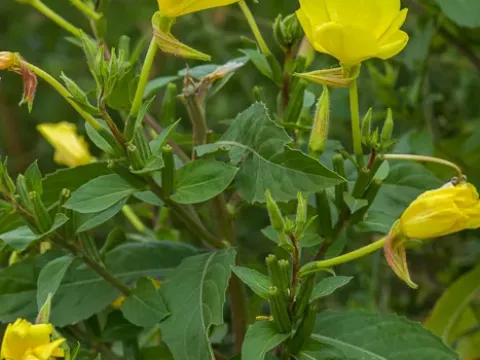
Oenothera stuchii
Oenothera stuchii
Oenothera stuchii is a unique species within the Onagraceae family that should be planted in early spring as soon as the soil temperature reaches 8–10 degrees Celsius.
What the section contains
Oenothera stuchii
The seeds require a moist seedbed for effective germination, making early spring the ideal time to take advantage of remaining soil moisture.
Sowing depth is critical; seeds should be placed no deeper than 1–2 centimeters, as they need light to trigger the germination process properly.
Seeding rates should be adjusted based on soil type and field conditions to ensure an optimal plant density that prevents overcrowding while maximizing yield.
Winter sowing is also a viable option in temperate regions, allowing the seeds to undergo natural stratification for a robust early spring growth cycle.
This crop thrives in light, well-drained sandy or loamy soils with a neutral pH, as waterlogged conditions are highly detrimental to its long taproot system.
Oenothera stuchii is a heliophilic plant, requiring full sun exposure throughout the day to ensure healthy development and high oil content in the seeds.
While moderately drought-tolerant, consistent moisture during the flowering and seed-setting stages is essential for reaching maximum productivity.
Fertilization with balanced phosphorus and potassium levels significantly improves the plant's structural integrity and resistance to late-season stressors.
Choosing a location protected from strong winds is advisable, as tall stems are prone to lodging, which complicates both maintenance and mechanical harvesting.
Yield success is heavily dependent on the effectiveness of insect pollination, making the presence of pollinators in the field during flowering a critical factor.
High yields are achievable when weed control is strictly managed, as weeds compete aggressively with Oenothera stuchii for sunlight and water.
The oil content of the seeds is a genetically determined trait but can be enhanced by proper moisture management and adequate nutrition during the seed-filling phase.
Regular monitoring of field health and maintaining soil aeration through light cultivation are key components of high-yield agricultural strategies.
Productivity also relies on harvesting timing; capturing the seeds at the perfect physiological maturity ensures high quality and minimal field loss.
Typical pests affecting this species include aphids and specific weevils that damage floral buds and developing foliage, negatively impacting plant vigor.
Root rots pose a significant threat in poorly drained soils, often exacerbated by over-irrigation or excessive rainfall during early growth stages.
Powdery mildew can become an issue in late summer, especially if the planting density is too high, creating a humid microclimate around the foliage.
Integrated Pest Management (IPM) practices, emphasizing biological controls, are recommended to protect the crop without harming essential pollinators.
Crop rotation is essential to prevent the accumulation of soil-borne pathogens, ensuring the long-term sustainability of the planting site.
Harvesting should occur when the seed pods begin to turn brown, signaling that the seeds inside are mature, firm, and ready for collection.
A two-stage harvesting process is recommended, involving cutting the plants into windrows to allow for uniform ripening and moisture loss.
Timing is crucial because the seed pods are prone to shattering if left in the field too long, especially during high wind conditions.
Post-harvest processing requires immediate cleaning and drying of the seeds to reach a moisture content of 8–9% for stable storage.
Properly dried seeds should be stored in cool, dry, and well-ventilated conditions to maintain high viability and protect the integrity of the seed oil.