
Oenothera tetragona
Oenothera tetragona
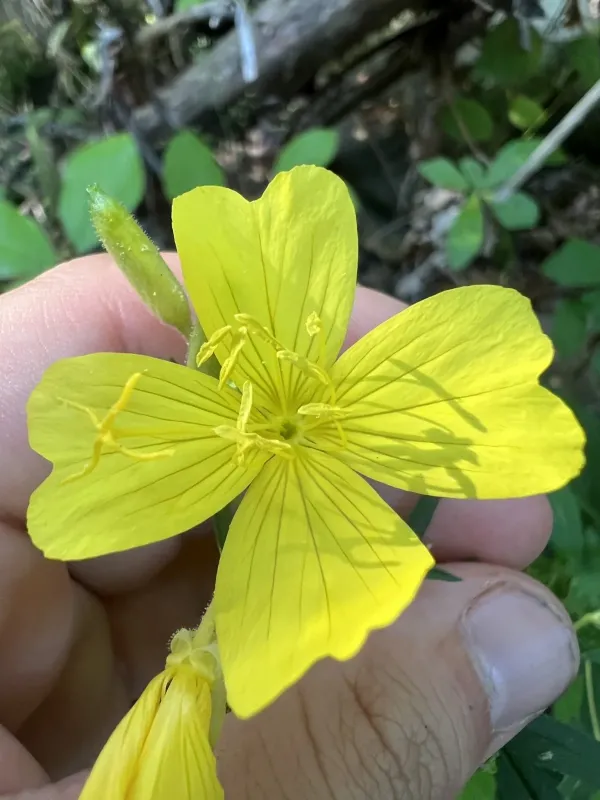
Description
Sowing dates
Oenothera tetragona, a member of the Onagraceae family, is propagated primarily through seed sowing in spring or by division of established clumps.
Seeds should be sown on the surface of well-drained soil, as they require light to germinate effectively within a period of two to three weeks.
When starting indoors, provide a consistent temperature of around 20 degrees Celsius and transplant the seedlings once the risk of frost has completely passed.
In outdoor garden beds, ensure the sowing site is weed-free to prevent young seedlings from being outcompeted during their critical early growth stages.
Spacing should be managed carefully, with plants placed 30 to 45 centimeters apart to allow for proper airflow and development as the plant matures.
Growing requirements
This perennial prefers full sun exposure, which ensures the development of its signature bright yellow flowers and maintains the vibrancy of its foliage.
Soil requirements are relatively modest, as the plant thrives in well-drained, sandy, or loamy soil and can tolerate somewhat poor soil conditions.
While Oenothera tetragona is drought-tolerant once established, periodic watering during prolonged dry spells is recommended to sustain healthy growth.
Proper drainage is the most critical environmental factor, as the species is highly sensitive to waterlogged conditions that can cause root system collapse.
The plant is known for its hardiness, allowing it to survive varying climates, and it typically requires minimal winter protection in temperate zones.
Main diseases and pests
Common plant health issues include powdery mildew, which can occur during humid summers or when the plants are grown in areas with poor ventilation.
Root rot is a major threat in poorly drained soils, requiring immediate correction of the soil structure if yellowing of the leaves is observed.
Pests such as aphids may occasionally congregate on the flower stalks, necessitating physical removal or the application of insecticidal soaps for control.
In certain regions, leaf-chewing insects may cause minor aesthetic damage, though they rarely jeopardize the overall survival of the robust perennial.
Sanitation measures, including removing dead debris in late autumn, help minimize the overwintering of pathogens and insect eggs near the base of the plant.