
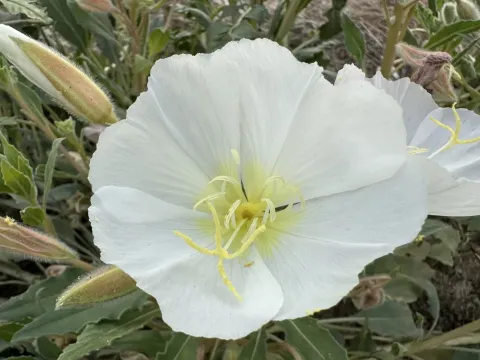
Oenothera deltoides
Oenothera deltoides
Oenothera deltoides, known as the desert evening primrose, is a member of the Onagraceae family. Planting should occur in the spring once the soil temperature is consistently warm, ensuring optimal germination conditions.
What the section contains
Oenothera deltoides
Direct seeding into well-drained, sandy soil is recommended as the plant prefers open locations with minimal competition from other vegetation.
Seeds should be sown shallowly, as they require a certain amount of light to germinate effectively. Covering them with a very thin layer of sand or soil is sufficient to hold them in place.
Spacing between individual plants should be maintained at 25-40 centimeters to allow for lateral growth and to ensure adequate airflow, which is crucial for preventing fungal issues.
Consistent moisture is needed only during the germination stage, after which the plants develop high drought tolerance and require significantly less water.
This species is native to arid desert regions, so it thrives in full sun exposure and well-aerated, coarse-textured soils with excellent drainage properties.
Soil pH should ideally be neutral or slightly alkaline, reflecting the native habitats where this plant naturally occurs and flourishes.
Over-fertilization with nitrogenous compounds should be avoided, as it often results in excessive vegetative growth at the expense of floral development and drought resistance.
The plant is highly sensitive to root rot, which is triggered by stagnant water. Consequently, planting on raised beds or sloped terrain is a standard best practice in cultivation.
Temperature range is critical; Oenothera deltoides prefers high daytime heat and cooler nights, mimicking the conditions of its native arid western North American distribution.
Root rot is the most significant pathological threat to this culture, usually caused by improper irrigation management or poor soil drainage characteristics.
Insects like aphids and certain caterpillars can cause defoliation during the growing season, which may reduce the plant's ability to produce viable seeds.
Good cultural practices, such as removing weeds and thinning out dense patches, are the most effective ways to manage potential pest and disease pressure naturally.
If disease symptoms such as wilting or stem discoloration appear, immediate removal of affected plants is necessary to prevent the spread of the pathogen to healthy individuals.
Using integrated pest management strategies is encouraged, prioritizing the health of the ecosystem and the presence of natural pollinators that facilitate the plant's reproduction.
Harvesting the seeds of Oenothera deltoides requires precision, as the seed capsules dehisce and release seeds upon reaching full maturity.
The optimal harvest window is when the capsules turn tan or light brown but remain intact, allowing for careful manual or mechanical collection.
Post-harvest handling involves drying the material in a cool, shaded environment to ensure that the moisture content decreases to safe levels for storage.
Threshing must be performed gently to avoid damaging the small seeds, followed by mechanical cleaning to remove chaff and other plant debris from the final batch.
Properly dried and stored in breathable containers, the seeds maintain viability for an extended period, provided they are kept in a dry and cool storage environment.