
Oenothera angulosa
Oenothera angulosa
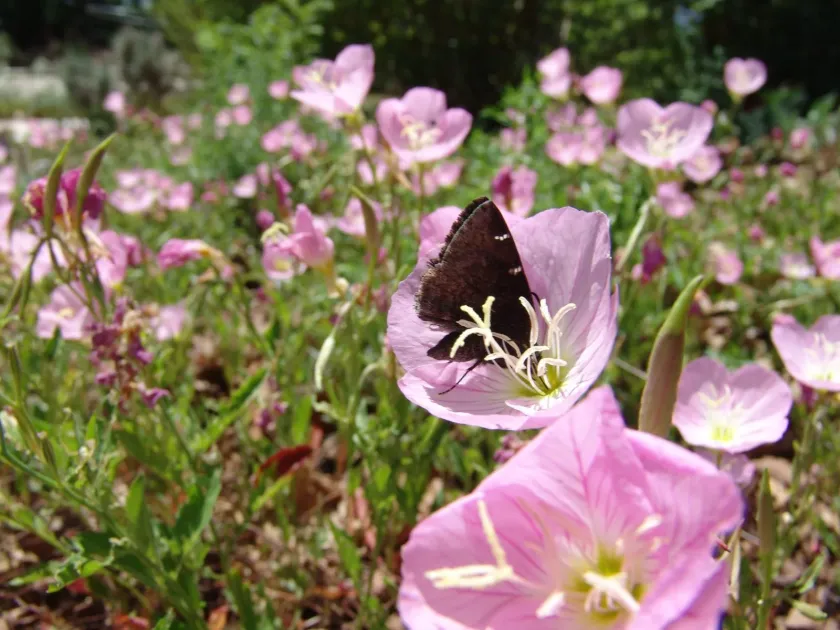
Description
Sowing dates
Oenothera angulosa, a member of the Onagraceae family, requires well-warmed soil for successful germination. Sowing in open fields should be carried out in late spring, once the danger of frost has passed, typically in May, when soil temperatures reach 12–15°C.
For nursery production, seeds can be started indoors in March. Because the seeds are extremely small, they should be surface-sown on a moist growing medium and covered only very lightly with soil to ensure consistent moisture while maintaining access to light.
In commercial field cultivation, a row spacing of 45–60 cm is recommended to facilitate mechanical weeding and ensure proper air circulation. The sowing depth should be maintained at approximately 0.5–1 cm to allow the seedlings to emerge without exhausting their energy reserves.
Germination usually takes 10 to 14 days under optimal conditions. Once seedlings reach the two-leaf stage, thinning is necessary to provide each plant with sufficient space, generally spacing them 20–25 cm apart within the row.
Irrigation immediately after sowing is crucial. Using precision seeders helps in maintaining uniform density, which is vital for maximizing harvest efficiency and ensuring even maturity of the seed crop across the field.
Growing requirements
This crop is highly light-demanding. It performs best in fully sunny locations where it can receive direct sunlight throughout the day. Shading leads to leggy stems, delayed flowering, and a lower concentration of bioactive compounds in the plant tissues.
Oenothera angulosa thrives in light, well-draining soils such as sandy loams or loamy soils. Excellent drainage is essential, as the roots are sensitive to waterlogging, which can quickly lead to plant stress and root diseases.
The optimal soil pH range for this culture is between 6.0 and 7.0. If the soil is too acidic, liming should be performed in the autumn prior to planting to improve soil structure and nutrient availability.
While the plant shows moderate drought tolerance due to its taproot system, consistent moisture during the budding and flowering phases is essential for achieving high seed yield and quality.
Balanced fertilization is beneficial, particularly the application of phosphorus and potassium. These nutrients strengthen the stalks, prevent lodging, and significantly improve the oil content and overall development of the seed heads.
Yield
The primary economic focus of Oenothera angulosa is its seed, which is highly valued for its gamma-linolenic acid content. Under optimal agronomic conditions, growers can expect yields ranging from 500 to 1,200 kg per hectare.
The green biomass is also used in the pharmaceutical and cosmetic industries. Harvesting for biomass should be timed with the peak flowering period, as this is when the secondary metabolites are at their highest concentration.
Seed harvesting requires specialized equipment due to the fine nature of the seeds. Since the pods are prone to shattering when fully ripe, it is important to harvest before the seeds become completely loose to minimize field losses.
The crop fits well into a crop rotation cycle, often following cereals. Proper rotation helps maintain soil health and reduces the pressure from soil-borne pathogens, ensuring consistent productivity over the growing years.
Post-harvest handling involves immediate drying of the seeds to a moisture content of below 10%. This prevents spoilage and ensures the long-term stability of the essential fatty acids extracted during oil production.
Main diseases and pests
The main threats to this crop are fungal infections, particularly powdery mildew, which thrive in humid and poorly ventilated conditions. This disease can rapidly defoliate plants if left unmanaged.
Root rots are another significant concern, particularly in fields with heavy or compacted soils. Preventive measures such as regular inter-row cultivation and the use of well-drained field sites are essential for mitigating these risks.
Insect pests include aphids that feed on the sap of young buds, and various leaf-chewing caterpillars that can significantly reduce the photosynthetic surface area and weaken the plant's overall health.
- Powdery mildew
- Root rot
- Aphids
- Leaf-eating caterpillars
Integrated pest management strategies are recommended, emphasizing biological control and selective insecticides. Always verify the safety regulations if the product is intended for the pharmaceutical or food industry.