
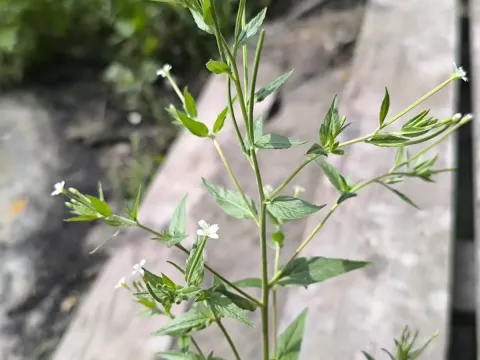
Epilobium pseudorubescens
Epilobium pseudorubescens
Epilobium pseudorubescens is a perennial herb that relies primarily on seed dispersal as its main method of reproduction in natural environments.
What the section contains
Epilobium pseudorubescens
The seeds are equipped with hair-like tufts that allow them to be easily transported over long distances by wind currents and air movement.
Germination typically occurs in the spring when soil temperatures reach the threshold required for active vegetative development of the seedlings.
When cultivating this species, it is essential to ensure that seeds are sown at a shallow depth, as they require sufficient light to germinate.
The best time for planting is either during the early spring or late autumn, which allows the seeds to undergo natural stratification for higher vitality.
The plant belongs to the Onagraceae family and is known for its high ecological plasticity, allowing it to colonize diverse habitat types efficiently.
It prefers moderately moist soils rich in organic matter but demonstrates the ability to grow on disturbed ground, roadsides, and wasteland areas.
Its climatic requirements are consistent with the temperate zone, showing resilience to seasonal temperature fluctuations and minor spring frosts.
Adequate sunlight is a critical factor for development, as the plant performs best in open, sunny locations rather than in shaded environments.
In terms of agricultural management, the species requires minimal input, as it effectively utilizes existing soil nutrients without needing heavy fertilization.
The agricultural use of Epilobium pseudorubescens remains relatively niche, as it is often categorized as a wild or invasive species in various regions.
The highest accumulation of biomass occurs during the peak flowering stage, which serves as the primary indicator for harvest timing in field conditions.
Yield potential is largely determined by plant density per hectare and the availability of water resources throughout the primary growing season.
The perennial root system enables the plant to regenerate its aerial parts annually, ensuring stable production capacity over several successive years.
Extended drought periods can lead to reduced yield, as the plant slows its vegetative growth in response to severe water stress and heat.
Epilobium pseudorubescens possesses a robust natural immune system, making it highly resistant to major fungal diseases that affect other herbaceous crops.
Occasional pest pressure from leaf-eating insects may occur, but these occurrences are usually sporadic and do not cause significant economic damage.
Viral infections are not a common threat to this species, which makes it a potentially promising candidate for organic or low-input farming practices.
The most significant environmental threat to the population is extreme moisture deficit, which can lead to premature senescence of foliage.
Root rot is rare and generally only occurs in waterlogged or poorly drained soils where there is an insufficient supply of oxygen to the roots.
Harvesting should be conducted during the active flowering phase to ensure that the collected biomass contains the highest concentration of active compounds.
The recommended harvesting method involves mowing the aerial stems approximately 10-15 centimeters above the soil surface to protect regrowth buds.
Post-harvest processing involves drying the plant material in well-ventilated areas or specialized industrial dryers at moderate temperature settings.
For seed collection, harvesting is performed at the end of the season when the fruit capsules begin to dry and open to release the seeds.
Proper adherence to harvesting protocols ensures the quality of the raw material while maintaining the long-term vitality of the plant population.