
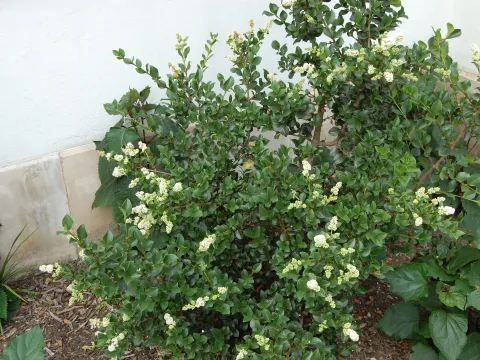
Evergreen Lilac
Syringa sempervirens
Evergreen Lilac (Syringa sempervirens) is an intriguing representative of the Oleaceae family. Unlike common lilac varieties, this species maintains its foliage for an extended period, requiring specific horticultural conditions to thrive in various climatic zones.
What the section contains
Evergreen Lilac
The plant performs best in locations with full exposure to sunlight but requires protection from cold, drying winds. Stable environmental conditions are crucial for preserving the evergreen foliage and ensuring consistent yearly development.
Regarding soil requirements, the culture prefers well-drained, nutrient-rich soils with a neutral pH level. It is highly sensitive to waterlogging, necessitating the installation of proper drainage systems in areas with heavy or clay-dominant soil profiles.
Regular irrigation is essential, especially during the establishment phase and prolonged dry spells. However, avoiding excessive watering is vital to prevent root rot, which remains a primary physiological risk for this species in managed landscapes.
Management practices include systematic pruning to maintain the desired shape and size of the bush. Removing dead or diseased wood encourages new growth and improves airflow, which is essential for the long-term health and vigor of the specimen.
Common fungal diseases, such as powdery mildew, pose a significant threat to Evergreen Lilac, especially in environments with high humidity. These infections cause leaf discoloration and can lead to severe stress if left untreated.
Pests, including various mite species and scales, can infest the foliage, causing damage that inhibits the plant's aesthetic and biological functions. Early detection through routine inspection is the most effective way to manage potential infestations.
Integrated pest management strategies are recommended, utilizing a combination of biological controls and targeted chemical treatments. Always apply pesticides according to local agricultural regulations and manufacturer guidelines.
Proper spacing during planting is essential to ensure adequate air circulation, which naturally reduces the likelihood of fungal outbreaks. Providing enough distance between shrubs prevents the rapid spread of pathogens across a planting area.
The overall health of the plant is reinforced by balanced fertilization, which provides necessary micro-nutrients. A healthy, well-nourished shrub is inherently more resistant to opportunistic pests and environmental stressors throughout the growing season.