
Forestiera
Forestiera
Forestiera is a genus of deciduous or evergreen shrubs and small trees within the Oleaceae family. Native primarily to North and Central America, these plants are known for their resilience and adaptability to various environmental conditions.
What the section contains
 Florida privet
Forestiera segregata
Florida privet
Forestiera segregata
 Forestiera acuminata
Forestiera acuminata
Forestiera acuminata
 Forestiera ligustrina
Forestiera ligustrina
Forestiera ligustrina
 Forestiera phillyreoides
Forestiera phillyreoides
Forestiera phillyreoides
 Forestiera pubescens
Forestiera pubescens
Forestiera pubescens
 Forestiera rhamnifolia
Forestiera rhamnifolia
Forestiera rhamnifolia
 Narrowleaf forestiera
Forestiera angustifolia
Narrowleaf forestiera
Forestiera angustifolia
 New Mexican desert olive
Forestiera neomexicana
New Mexican desert olive
Forestiera neomexicana
Forestiera
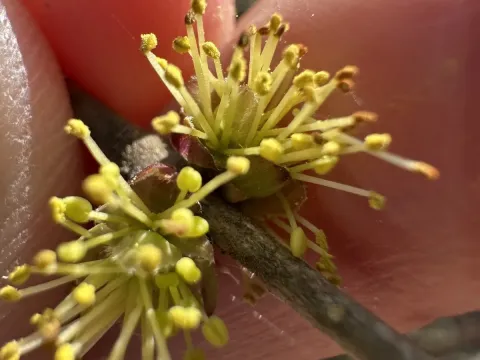
Botanically, the plant features opposite leaves and small, often inconspicuous flowers that bloom in early spring. Depending on the species, it can develop into a dense, multi-stemmed shrub or a small, elegant tree.
The plant thrives in well-drained soils and demonstrates a high tolerance for varying pH levels, including limestone and rocky substrates. It is particularly valued for its drought resistance once the root system is established.
In terms of climate, most Forestiera species prefer sunny locations with protection from harsh winds. While some species are quite frost-hardy, site selection remains critical for promoting vigorous growth and maintaining healthy foliage.
Agricultural and landscape utility includes the creation of windbreaks, erosion control on slopes, and providing early-season nectar for pollinators. Its ability to tolerate shearing makes it ideal for formal or informal hedging.
Forestiera is generally robust and lacks susceptibility to most common horticultural diseases. However, in poorly drained or waterlogged soils, the plant may become prone to root rot fungi.
Pest issues are relatively minor, with aphids and scale insects occasionally affecting young shoots. These can usually be managed with standard horticultural oil sprays or simple physical removal if identified early.
Cultural control, such as maintaining correct spacing and proper soil drainage, is the most effective way to prevent pest and disease outbreaks. Avoiding overhead irrigation reduces the risk of moisture-related fungal infections.
Regular sanitation, including the removal of dead or broken branches, helps maintain plant vigor. This practice is essential for preventing secondary infections that might occur in damaged wood tissues.
While minimal intervention is required, observing the plant during the early growth season is recommended to ensure that no opportunistic pests compromise the development of new, tender foliage.