
Fontanesia
Fontanesia
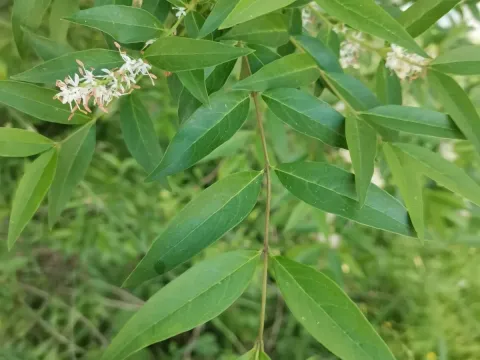
Fontanesia is a genus of deciduous shrubs belonging to the Oleaceae family. Known for their willow-like appearance, these plants are popular in ornamental horticulture for their graceful habit and elegant foliage.
What the section contains


Fontanesia
Originating primarily from East Asia and parts of the Mediterranean, the plant thrives in temperate climates. It prefers sunny locations but can tolerate partial shade, making it adaptable to various landscape designs.
Botanically, Fontanesia features opposite leaves and small, inconspicuous flowers arranged in panicles. The fruit is a winged samara, which is a key characteristic that aids in seed dispersal via wind currents in the wild.
Successful cultivation requires fertile, well-draining soil with a neutral to slightly acidic pH level. Consistent irrigation is essential during the establishment phase, although mature plants exhibit moderate drought tolerance.
Management practices include spring pruning to maintain the desired shape and size, as well as the application of balanced fertilizers to support vigorous growth throughout the growing season.
The main threats to Fontanesia include fungal infections caused by waterlogged soil conditions. Proper site selection and drainage are critical to prevent root diseases that can lead to plant decline.
Pests such as aphids and spider mites may target the foliage during hot and dry summer months. Regular monitoring and the application of appropriate horticultural oils or insecticides help mitigate these risks.
Winter hardiness varies, and in colder regions, protection may be necessary to prevent frost damage to tender young shoots. Applying mulch around the base of the plant provides thermal insulation for the roots.
Sanitary pruning is a recommended practice to remove dead or diseased branches, thereby improving airflow and reducing the likelihood of pathogen spread within the canopy.
While relatively low-maintenance, Fontanesia requires attentive care in its early stages to ensure long-term health and structural integrity in both garden and semi-agricultural settings.