
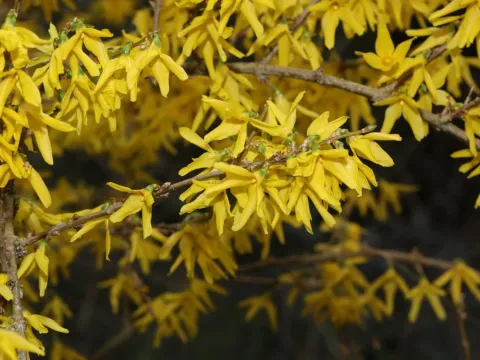
Forsythia
Forsythia
Forsythia is a genus of flowering shrubs and small trees belonging to the Olive family (Oleaceae). Originating primarily from East Asia, these plants are highly valued for their early spring display of bright yellow flowers that emerge before the foliage.
What the section contains


Forsythia
Successful cultivation requires a location with full sunlight exposure. While forsythia can tolerate partial shade, insufficient light significantly reduces the quantity and quality of blossoms, leading to leggy growth and less vigor in the shrub's overall structure.
The plant thrives in well-drained, fertile soil with a neutral to slightly alkaline pH level. It is highly sensitive to waterlogged conditions, which can lead to root rot; therefore, providing adequate soil drainage is a critical step in site preparation.
Agronomic maintenance includes periodic pruning to manage size and encourage new growth. Pruning should be performed immediately after the flowering period ends to allow the plant enough time to develop new shoots for the following year's buds.
Economically and aesthetically, forsythia serves as a cornerstone of residential and commercial landscaping. Due to its hardiness and vibrant visual appeal, it is commonly used for hedges, foundation plantings, and mass landscape designs.
Bacterial blight is a severe threat to forsythia, causing individual branches or entire sections of the plant to wither and die suddenly. Because there is no chemical cure for this condition, strict sanitation and removal of affected parts are essential practices.
Phomopsis gall and other fungal diseases can manifest as abnormal growths or dark spots on the stems and leaves. Regular thinning of the canopy to improve air circulation is the most effective preventative measure against these fungal pathogens.
Nematodes are subterranean pests that attack the root system, causing yellowing of foliage and overall stunted growth. Proper soil management and the use of certified, disease-free nursery stock are the primary defense strategies for gardeners.
Leaf-eating insects and aphids can occasionally infest the plant during warm, dry weather. Integrating mechanical control methods, such as washing leaves with water, along with targeted insecticide applications, will help maintain the health of the shrub.
Maintaining a balanced nutritional profile through appropriate fertilization and avoiding excessive nitrogen application can improve the plant's resilience, helping it withstand common environmental stresses and moderate pest pressure.