
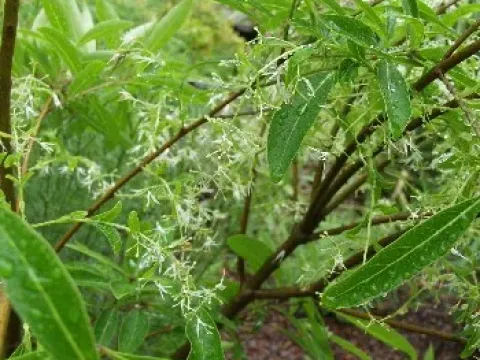
Chionanthus compactus
Chionanthus compactus
Chionanthus compactus is an ornamental shrub belonging to the Oleaceae family. It is widely recognized for its dense, rounded habit and attractive foliage, making it a popular choice for structured landscape designs.
What the section contains
Chionanthus compactus
Native to temperate regions, this plant thrives in areas with good sun exposure but benefits from protection against harsh winds. It prefers a climate that is not overly extreme, showing moderate tolerance to cold temperatures once established.
Regarding soil requirements, the plant prefers well-drained, fertile loamy soils. It is critical to ensure that the site does not collect standing water, as the roots are sensitive to anaerobic conditions caused by over-saturation.
Basic maintenance includes mulching to retain moisture and suppress weeds. During the first few years of growth, supplemental watering is necessary to establish a deep root system, especially during dry summer spells.
In landscaping, this species is highly valued as a foundation plant or a focal point in small gardens. Its ability to maintain a tidy, compact shape with minimal pruning adds significant value to residential and public gardens.
The main threats to the plant include fungal pathogens such as powdery mildew, which can develop during periods of high humidity and poor airflow. Providing adequate spacing is essential to prevent such outbreaks.
Pests like aphids and scale insects are common adversaries. These sap-sucking insects can weaken the plant if left unchecked, so periodic inspections during the active growing season are recommended.
Root rot is a major risk if the plant is grown in heavy, poorly draining soils. Amending the soil with organic matter or sand can significantly improve soil structure and minimize the risk of infection.
Winter damage to young stems can occur if the plant is not properly protected from late frosts. Covering the base during the first winter after planting is a standard practice for ensuring successful overwintering.
Monitoring for signs of nutrient deficiency, such as yellowing leaves, ensures that the plant remains vigorous enough to naturally repel many common diseases and pests through its own immune processes.