
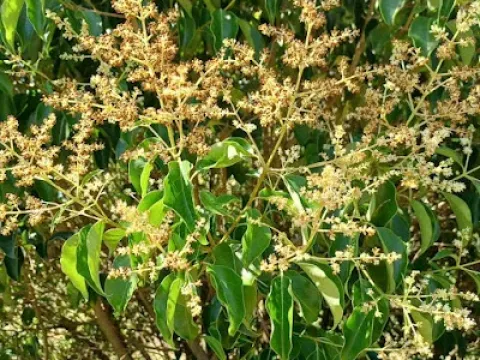
Compact privet
Ligustrum compactum
Compact privet (Ligustrum compactum) is an evergreen or semi-evergreen shrub belonging to the Oleaceae family. It is highly valued in horticulture for its dense, symmetrical habit and slow growth rate, which requires minimal maintenance compared to other varieties.
What the section contains
Compact privet
Native to East Asian mountain regions, this plant thrives in temperate climates with well-drained, nutrient-rich soils. It exhibits a preference for full sun exposure but can maintain good foliage density in partial shade conditions.
Agrotechnical requirements include consistent moisture levels, especially during the establishment phase. While it is relatively hardy, it benefits from mulch application to protect the root system from extreme temperature fluctuations in colder zones.
Regarding soil, it performs best in neutral to slightly alkaline environments. Regular feeding with balanced fertilizers in early spring promotes vigorous growth and enhances the natural dark green color of the leaves.
The main usage of Ligustrum compactum is in landscaping for formal hedges, architectural topiary, and small-space garden borders. Its compact nature makes it a perfect candidate for manicured urban landscapes.
Pest issues often involve aphids and scale insects, which target the tender new growth of the plant. These pests can weaken the shrub if not addressed early in the growing season with systemic treatments.
The privet moth caterpillar can cause extensive damage to foliage during mid-summer. Monitoring and manual removal, or the use of targeted biological insecticides, are recommended management practices.
Fungal diseases, such as leaf spot and powdery mildew, may occur during seasons with high humidity or poor air circulation. Proper spacing during planting is essential to ensure adequate airflow within the shrub's canopy.
Root rot remains a risk in poorly drained soils. Ensuring that the site is well-drained is the most effective way to prevent soil-borne pathogens that compromise the health of the entire shrub.
Integrative pest management, combined with sanitation practices like removing fallen leaves and pruning dead branches, keeps the plant resistant to most biotic stresses throughout the year.