
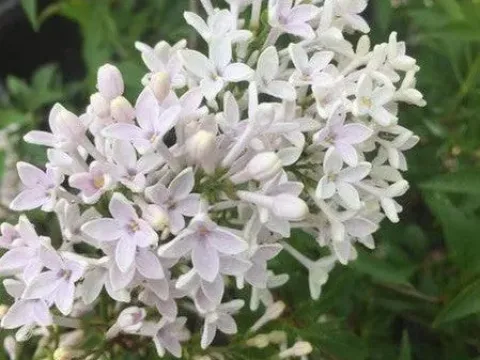
Diversifolia lilac
Syringa diversifolia
Diversifolia lilac (Syringa diversifolia) is a distinct species belonging to the Oleaceae family. This hybrid, resulting from natural hybridization between other lilac species, is recognized for its unique foliage and robust performance in diverse temperate environments.
What the section contains
Diversifolia lilac
Native to East Asia, this plant thrives in mountain habitats. Its genetic heritage grants it excellent cold hardiness, making it a valuable addition to landscape design in regions that experience significant seasonal temperature fluctuations.
The ideal growing medium for this shrub is a fertile, well-drained loam with a neutral pH. Proper soil structure is critical, as waterlogged conditions in the root zone can quickly lead to root decay and overall plant decline, particularly in heavier clay soils.
Sunlight requirements are relatively high; the plant requires full sun exposure to produce the most prolific flower displays and maintain a dense, well-structured habit. In shaded environments, the lilac tends to become leggy and produces fewer blossoms.
Cultural practices should focus on maintaining consistent soil moisture during the active spring growing season and providing balanced fertilization. Pruning is essential for shape control and should be performed immediately after the flowering period to avoid removing new buds.
The most common disease affecting this species is powdery mildew, a fungal infection that thrives in humid, stagnant conditions. Improving air circulation around the shrub is the primary preventive measure against this fungal threat.
In addition to mildew, phytophthora can pose a risk if the drainage is inadequate. Managing water levels and ensuring the planting hole is properly prepared with organic matter and drainage materials can mitigate this problem effectively.
Insect pests such as the lilac leafminer and various scales can cause cosmetic and physiological damage. Monitoring the foliage during the spring and early summer is crucial for early detection and targeted intervention with appropriate pesticides.
Implementing a strict sanitation program, including the removal of fallen leaves and infected plant debris, helps keep the infection pressure low and reduces the likelihood of recurrent pest or disease outbreaks.
Overall, healthy cultivation depends on a proactive approach that prioritizes plant vigor through correct site selection and regular maintenance, thereby reducing the need for intensive chemical applications throughout the year.