
Noronhia
Noronhia
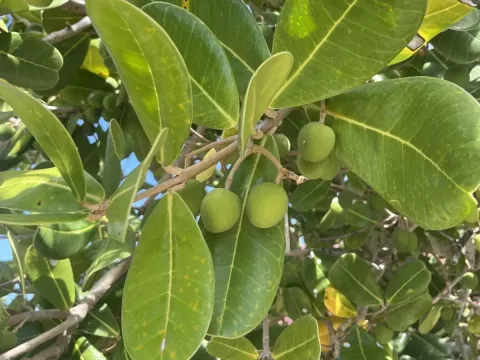
Noronhia is a genus of evergreen trees and shrubs belonging to the Oleaceae family. The most prominent species, Noronhia emarginata, is commonly known as the Madagascar olive due to the appearance of its fruits.
What the section contains


Noronhia
This crop thrives in tropical and subtropical regions. It originates from Madagascar and is well-adapted to varied soil types, provided they are well-drained and possess adequate nutrient levels.
The climate requirements include high atmospheric humidity and warm temperatures throughout the year. The plant is sensitive to cold and does not survive freezing conditions, limiting its cultivation to specific zones.
Cultivation practices involve selecting sunny locations with protection from intense winds. Young plants require consistent watering to establish a strong root system before they become more drought-tolerant.
Botanically, Noronhia is characterized by leathery leaves and drupe fruits. Its growth habit makes it suitable for both orchard cultivation and ornamental landscape design.
The primary agricultural interest in Noronhia lies in its fruit production. The fruits contain oil that can be extracted for food consumption, similar to other members of the Oleaceae family.
Harvesting is performed once the fruits mature and change color. Proper post-harvest handling is necessary to maintain the quality of the oil and fruit integrity.
The yield potential is significantly influenced by tree age and canopy management. Pruning is essential to maximize light penetration and stimulate flower bud development.
Beyond oil production, the fruits are sometimes consumed locally. The tree's ability to produce consistent yields under favorable conditions makes it a subject of local agricultural interest.
Ongoing research into the specific fatty acid profile of Noronhia fruit may lead to increased commercial development of this crop in future global markets.
Root rot caused by poor soil drainage is the most significant threat to Noronhia. Ensuring adequate drainage is a fundamental requirement for maintaining tree health.
Common pests affecting this species include scale insects and mealybugs, which feed on sap. Infestations can weaken the tree and reduce overall fruit yield if left unmanaged.
Effective management strategies include manual removal of localized infestations and the application of horticultural oils during the early stages of pest detection.
Fungal leaf spots can occur in areas with extremely high humidity and lack of air circulation, necessitating strategic pruning to improve the canopy environment.
Integrated pest management and good orchard hygiene are the best practices for ensuring long-term crop sustainability and productivity.