
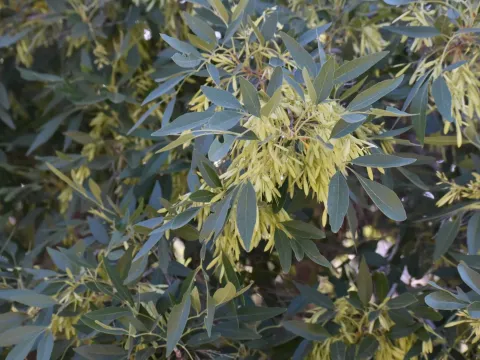
Velvet ash
Fraxinus velutina
Propagation of the Velvet ash is primarily achieved through seeds. Sowing in open ground is recommended during the autumn to allow for natural winter stratification.
What the section contains
Velvet ash
If spring planting is preferred, seeds must undergo artificial stratification in a cool environment for at least 8 to 12 weeks to break dormancy and ensure germination.
Seedlings need consistent moisture during their initial growth phase and should be protected from excessive weed competition in the nursery stage.
When selecting a nursery site, ensure that the soil is well-drained and the area receives full sunlight, as the young trees require significant light to thrive.
Transplanting to the final destination should be done during the dormant season, which facilitates strong root establishment before the onset of the hot summer months.
The Velvet ash belongs to the Oleaceae family and is native to the southwestern United States and Mexico, thriving in arid and semi-arid environments.
This species is highly valued for its exceptional drought tolerance and its ability to adapt to various soil types, including those with moderate alkalinity.
Full sun exposure is required for optimal growth and to maintain the dense, velvety foliage that gives the tree its common name.
Although it is heat-tolerant, young trees benefit from regular watering during the first few years until their deep root system is fully established.
Maintenance tasks include balanced fertilization in early spring and pruning to develop a strong structural framework for the tree's canopy.
Major threats include fungal pathogens such as anthracnose and cankers, which often flourish in conditions of high humidity or poor canopy ventilation.
Pests, particularly wood-boring insects and scale, can weaken trees over time if infestations are not detected and managed at an early stage.
Integrated pest management strategies should be employed, utilizing systemic insecticides and horticultural oils during the dormant or early growing season.
Proper pruning practices, such as removing dead wood and improving airflow within the canopy, serve as effective preventative measures against disease.
Regular inspections are necessary to identify symptoms of stress, ensuring prompt intervention to keep the trees healthy and structurally sound.