
Swegiflexa lilac
Syringa swegiflexa
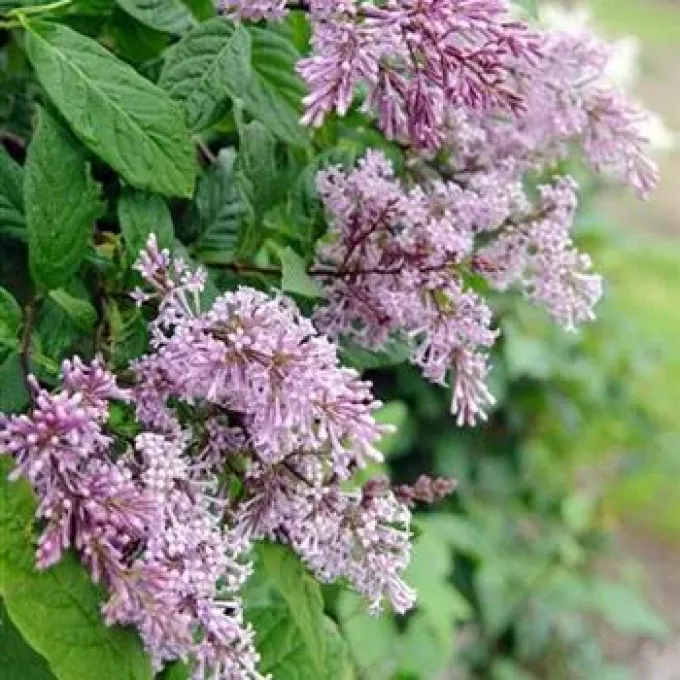
Description
Growing requirements
Swegiflexa lilac (Syringa swegiflexa) is a hybrid ornamental shrub belonging to the Oleaceae family. This species results from careful breeding, combining the structural elegance of its parent species with improved resilience and flowering characteristics.
The plant originates from horticultural breeding programs, primarily designed for temperate climate zones. Its naturalized cultivation area spans regions where cold-hardy deciduous shrubs thrive in diverse garden settings.
To ensure optimal growth, the plant requires full sun exposure to semi-shade conditions. The ideal soil profile consists of well-drained, nutrient-rich, and slightly alkaline loam, which promotes healthy root system development and prevents waterlogging.
Proper agronomic care involves moderate irrigation during the establishment phase and prolonged dry spells. Annual pruning is recommended immediately after the flowering season to shape the shrub and promote vigorous new growth for the following year.
In landscaping, this lilac serves multiple roles, from serving as a focal point in flower beds to being an excellent choice for ornamental hedges. Its fragrance and structural presence make it a highly valued asset for sustainable garden design.
Main diseases and pests
Typical pests affecting this species include lilac leaf miners and scale insects. Monitoring the underside of leaves and stems regularly is essential to detect early infestations before they cause significant aesthetic damage to the foliage.
Fungal diseases, including powdery mildew and bacterial blight, pose the most common risks during high-humidity periods. Proper spacing and airflow between plants are the most effective preventative strategies against these pathogens.
Sanitation practices, such as removing fallen leaves and pruning dead or diseased branches, are critical to reducing disease pressure. These steps prevent the overwintering of spores that could restart infection cycles in the spring.
If chemical control is necessary, applying fungicides or insecticides should be done responsibly to minimize impact on beneficial pollinators. Always follow local agricultural guidelines for the timing and application of these products.
Finally, maintaining plant vigor through appropriate fertilization keeps the lilac resilient. A healthy, well-nourished shrub can effectively withstand moderate pest pressure and recover quickly from minor seasonal stresses.