
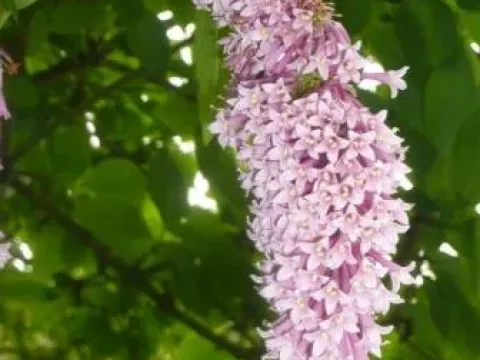
Ward's Lilac
Syringa wardii
Ward's Lilac (Syringa wardii) is a distinctive species within the Oleaceae family, native to the rugged terrains of Western China. It is highly regarded in horticulture for its ornamental value and botanical rarity.
What the section contains
Ward's Lilac
This species thrives in well-drained, fertile soil with a neutral to slightly alkaline reaction. It requires a position in the garden that receives ample sunlight to promote healthy foliage development and consistent flowering cycles.
Botanically, the plant is characterized by its refined leaf structure and fragrant blossoms. It typically grows as a dense, multi-stemmed shrub, making it a perfect candidate for specimen planting or as part of a structured border.
Climate adaptation is a key factor, as the plant prefers areas with distinct seasonal temperature variations. While it can withstand moderate frosts, it is essential to protect young specimens from severe wind exposure during their initial years.
Cultural practices include regular pruning to maintain the desired shape and the application of balanced organic fertilizers during early spring to support vigorous growth throughout the main vegetative season.
Like many members of the Syringa genus, Ward's Lilac is susceptible to powdery mildew during humid and stagnant weather conditions. Proper plant spacing is essential to facilitate air circulation and minimize infection risks.
Aphids often target the tender shoots and floral buds in late spring. Monitoring and the use of insecticidal soaps are usually sufficient to manage these populations without damaging the plant's delicate tissues.
Root rot is a significant threat if the soil drainage is inadequate. Ensuring that the site is well-drained and avoiding excessive moisture in the root zone are the most critical preventative measures for this shrub.
Leaf miners can occasionally infest the foliage, creating visible trails. While these are usually aesthetic rather than lethal issues, removing damaged leaves helps prevent the spread of the larvae to healthy branches.
Overall, a healthy plant with balanced nutrition and proper sunlight exposure shows high resilience. Integrated pest management, focusing on early detection, remains the most effective strategy for maintaining the shrub's health.