
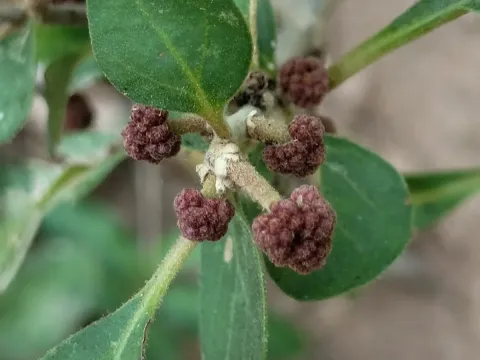
Pisonia
Pisonia
Pisonia is a genus of flowering plants in the Nyctaginaceae family, predominantly native to tropical and subtropical regions. These plants are known for their ability to thrive in coastal island environments, displaying remarkable resilience.
What the section contains
Pisonia
For optimal growth, Pisonia requires a tropical climate with temperatures consistently above 20 degrees Celsius. It does not tolerate frost and prefers bright, indirect light to maintain its foliage coloration and vigor.
The soil should be well-draining, nutrient-rich, and slightly acidic to neutral. In nursery or home settings, a peat-based potting mix amended with perlite provides the necessary aeration for sensitive root systems.
Watering management is crucial; the plant should be kept moist but never waterlogged. During the growing season, a consistent humidity level is essential to prevent tip burn on leaves and ensure healthy growth.
While used primarily for ornamental purposes, Pisonia is valued for its unique botanical structure. Some species are grown in botanical gardens for their scientific interest and their sticky seeds that demonstrate unique dispersal mechanisms.
Root rot caused by overwatering is the most frequent pathological issue in Pisonia. It is imperative to ensure the container or ground area has excellent drainage to prevent the collapse of the root system.
Common pests include spider mites and mealybugs, which thrive in low-humidity environments. Regular monitoring of leaf undersides is recommended to catch infestations before they cause significant damage.
Fungal leaf spot diseases can occur if air circulation is poor. Improving ventilation and maintaining dry foliage during evening hours can help mitigate these risks significantly.
Nutrient deficiency, particularly nitrogen and iron, can lead to yellowing leaves. Providing a balanced, water-soluble fertilizer during the peak growing months supports sustained health and development.
When pests are detected, the use of biological controls or specialized horticultural oils is preferred over harsh chemicals. Always perform a patch test on a small leaf area before applying systemic treatments.