
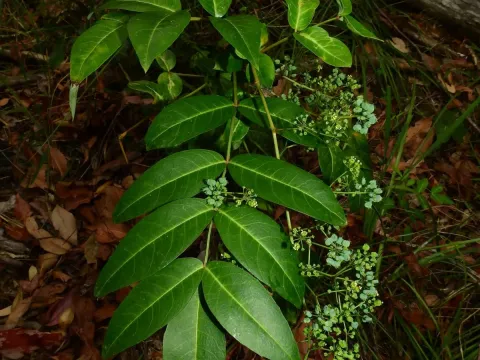
Nothopanax
Nothopanax
Nothopanax is a genus of evergreen trees and shrubs belonging to the Araliaceae family. While modern taxonomy often classifies many of these species within the Polyscias genus, the term Nothopanax remains widely recognized in botanical and horticultural circles for its unique aesthetic value.
What the section contains
Nothopanax
The native habitat of these plants extends across New Zealand, the Pacific Islands, and parts of Australia. Historically, these regions have shaped the plant's biological needs, favoring high humidity, moderate temperatures, and protection from extreme climatic shifts.
Cultivation requires a location with bright, indirect sunlight to maintain the vibrancy of the foliage. Excessive direct light can cause leaf scorching, while insufficient light leads to sparse growth and loss of the plant's characteristic dense structure.
For optimal growth, Nothopanax requires well-draining, nutrient-rich soil with a slightly acidic to neutral pH. It is essential to ensure consistent soil moisture levels; however, irrigation practices must be carefully managed to prevent saturation, which is a major stress factor.
The primary horticultural application of this crop is ornamental landscaping. Due to its tolerance for regular pruning, it is an excellent choice for hedge creation, topiary, and indoor container gardening in regions where climate conditions do not support year-round outdoor growth.
The most common pests affecting Nothopanax include spider mites and scale insects. These pests thrive in dry environments; therefore, maintaining an adequate ambient humidity level is a primary cultural method of integrated pest management for this crop.
Root rot, often caused by Phytophthora or Pythium species, is the most significant disease threat to Nothopanax. It is typically associated with poor drainage and excessive watering, necessitating the use of sterile growing media and effective moisture regulation techniques.