
Pisonia nigricans
Pisonia nigricans
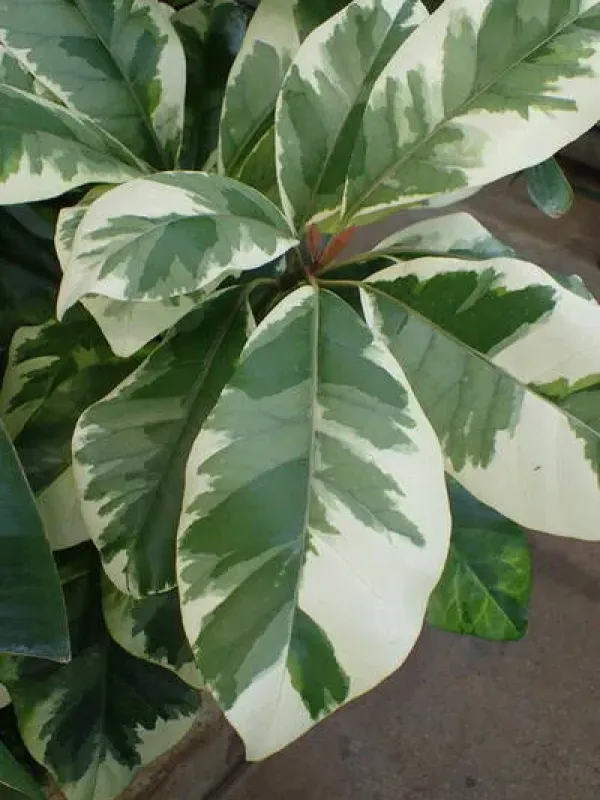
Description
Growing requirements
Pisonia nigricans is a member of the Nyctaginaceae family, widely known in tropical botany for its unique ecological adaptation. It is a large evergreen tree that typically inhabits coastal areas, demonstrating high resilience to specific island environments.
The plant originates from the tropical regions of the Indo-Pacific. It is most commonly found in coral reef islands and low-lying coastal forests, where it thrives in soil enriched by seabird droppings, creating a symbiotic relationship with local bird populations.
Cultivation requirements involve a tropical climate with temperatures consistently ranging from 20°C to 30°C. The species is highly sensitive to frost and cold winds, making it suitable only for warm greenhouse environments in non-tropical regions.
Regarding soil, Pisonia nigricans prefers substrates with excellent drainage and a neutral to slightly alkaline pH. It is essential to ensure that the root zone is never waterlogged, as the species is susceptible to various soil-borne pathogens under stagnant moisture conditions.
Light exposure is a critical factor for healthy growth. While mature trees can tolerate partial shade, young specimens require bright, filtered light to develop sturdy branches and healthy, deep green foliage without succumbing to stress.
Harvesting
The economic utility of Pisonia nigricans is primarily centered on ornamental gardening and environmental restoration. Its dense foliage makes it an excellent choice for windbreaks and shade provision in tropical park management.
Harvesting seeds is a technical challenge due to the presence of sticky, gland-covered fruits that trap seeds and sometimes even small birds. Careful handling and mechanical cleaning of the seeds are required to separate them from the mucilaginous substance.
Propagation is usually achieved through seeds or stem cuttings. For commercial nursery production, cuttings should be taken from healthy, disease-free parent plants and treated with rooting hormones to ensure successful propagation rates.
Managing the plant involves periodic pruning to maintain structural integrity. This prevents the branches from becoming overly heavy, which is especially important if the plants are maintained in containers or in areas prone to high winds.
As an agronomical asset, Pisonia nigricans contributes significantly to biodiversity. Its role in the ecosystem as a habitat builder makes it a valuable species for conservation projects aiming to restore the natural vegetation of tropical islands.