
Pisonia tomentosa
Pisonia tomentosa
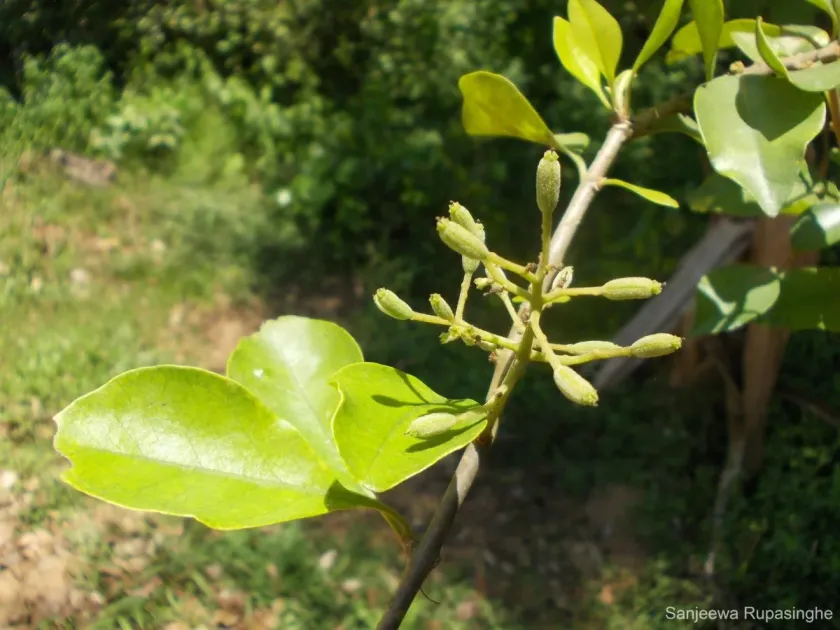
Description
Growing requirements
Pisonia tomentosa, belonging to the Nyctaginaceae family, is a distinct plant species known for its specific botanical characteristics. It thrives in tropical climates, typically characterized by consistent warmth and humidity throughout the growing season.
Climatic requirements are strict: the plant cannot tolerate frost and requires a stable, warm environment. Cultivation is generally limited to tropical zones or controlled environments like greenhouses where temperature and humidity are regulated.
The ideal soil for this crop is well-drained and nutrient-rich, with a structure that prevents compaction. A sandy loam substrate is preferred to ensure that roots receive sufficient oxygen and to avoid the accumulation of standing water.
Light intensity plays a vital role in the physiological development of the plant. It demands bright but filtered sunlight, as direct exposure can be harmful to its foliage, particularly in regions with high solar radiation.
Management practices focus on regular fertilization and balanced irrigation. Nutrient supply should be adjusted based on the growth stage, ensuring sufficient levels of nitrogen for vegetative development and potassium for stress resistance.
Main diseases and pests
Common pests include spider mites and mealybugs, which are highly attracted to the succulent-like nature of the leaves under greenhouse conditions. Regular monitoring is essential to prevent infestation.
Pathogenic threats are primarily linked to root rot caused by stagnant water or poor drainage. Maintaining a healthy soil microbiology and strictly following irrigation schedules are critical for the plant's long-term health.