
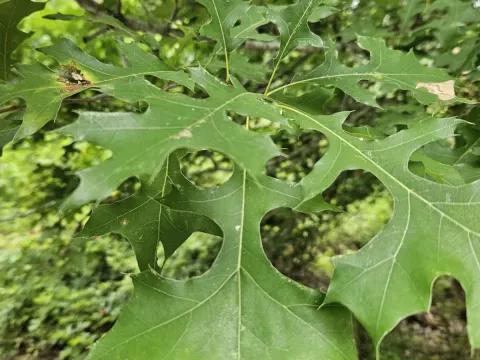
Nuttall Oak
Quercus nuttallii
The Nuttall Oak (Quercus nuttallii), now widely recognized as Quercus texana, is a deciduous tree belonging to the Fagaceae family. Native to the river bottoms and floodplains of the South-Central United States, it is highly regarded for its ability to tolerate wet soils where other oak species would fail.
What the section contains
Nuttall Oak
This species requires deep, fertile, and moist soils to reach its full growth potential. While it excels in poorly drained clay soils, it also performs well in loamy substrates, provided there is enough nutritional availability to support its rapid growth rates during the juvenile stage.
Climate requirements for the Nuttall Oak include a preference for temperate to warm zones with sufficient rainfall. It is a sun-loving species that demands full exposure for optimal canopy development, though it can withstand moderate competition when established in a forest setting.
Agrotechnical management involves careful site preparation and weed control during the establishment phase. Young trees benefit from mulching to conserve soil moisture, while pruning is essential to establish a strong central leader and maintain the desired structural integrity of the timber.
Economically, the Nuttall Oak is valued for its high-quality hardwood used in cabinetry and flooring. It serves a vital ecological role in reforestation programs aimed at restoring wetland forests and providing a significant food source for wildlife through its annual production of acorns.
Bacterial leaf scorch is a notable pathogen that can affect the vascular system of the Nuttall Oak, leading to premature leaf browning and branch dieback. Management typically involves removing infected branches and ensuring the tree remains well-watered to reduce stress.
Root rot fungi pose a significant risk in areas with excessive water logging, especially if the soil lacks sufficient aeration. Proper site selection and drainage management are the most effective preventive measures against soil-borne diseases.
Leaf-feeding insects, including caterpillars and various beetle species, can cause substantial defoliation if left unchecked. Integrated pest management strategies, such as promoting natural predators, are preferred in large-scale forest plantations.
Twig girdlers can damage the canopy by severing small branches, which affects the tree's form and overall health. Monitoring for fallen twigs and sanitation of the forest floor can help break the lifecycle of these pests.
Mechanical damage to the bark by equipment or wildlife provides entry points for wood-decay fungi and pests. Maintaining the health of the outer bark layer is crucial for long-term survival and commercial value of the wood.