
Nyctaginia
Nyctaginia
Nyctaginia is highly sensitive to cold temperatures, requiring the soil to be thoroughly warmed before planting seeds outdoors in the late spring season.
What the section contains

Nyctaginia
For commercial or decorative use, starting plants indoors using germination trays ensures a more uniform development and provides protection during the delicate seedling stage.
Seeds should be covered with a very thin layer of substrate, as light is often a beneficial factor in stimulating the germination process of this specific family.
Gradual acclimatization is mandatory for nursery-raised seedlings to prevent transplant shock when shifting from controlled indoor environments to harsh outdoor conditions.
Spacing is essential for the healthy growth of the canopy, as the plants require sufficient airflow to thrive in warm and humid environments during the summer months.
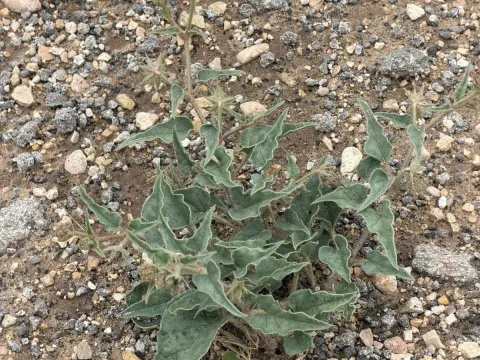
As a member of the Nyctaginaceae family, the genus is well-adapted to arid environments, characterized by its deep taproot system and thick leaves designed for water retention.
These plants originate from the southern United States and Mexico, thriving in regions that experience intense heat and seasonal fluctuations in water availability.
The ideal soil profile for Nyctaginia is sandy or rocky, providing excellent drainage which is the most critical factor for its long-term survival and health.
Full sun exposure is a non-negotiable requirement for this culture, as insufficient light will result in weak, leggy stems and poor flower production throughout the season.
In terms of fertilization, the plant is relatively undemanding, preferring lean soils over nitrogen-rich substrates that can cause excessive foliage growth at the expense of floral vigor.
Root rot is the most common ailment encountered when growing Nyctaginia, typically resulting from poor drainage or excessive irrigation during cool weather cycles.
Pests like spider mites can become problematic in hot, dry weather, often clustering on the undersides of leaves and causing significant structural damage to the plant.
Effective management includes avoiding overhead irrigation, which keeps the foliage wet for extended periods and encourages the spread of opportunistic fungal pathogens.
Regular monitoring for early signs of infestation is key, allowing for timely intervention before pest populations reach levels that cause irreversible damage to the plant's health.
- Proper drainage implementation in the seedbed
- Early identification of mite infestations
- Judicious use of chemical treatments as a last resort