
Pisonia umbellifera
Pisonia umbellifera
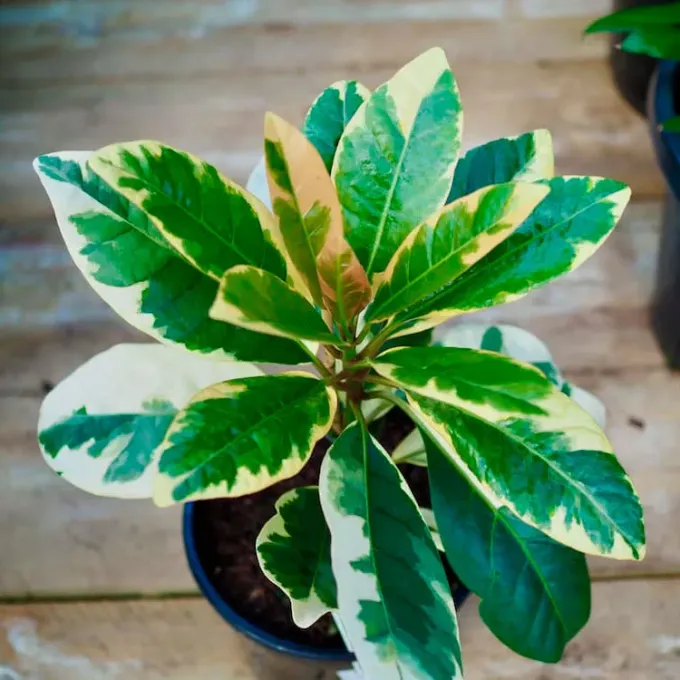
Description
Growing requirements
Pisonia umbellifera, commonly known as the birdcatcher tree, belongs to the Nyctaginaceae family. It is a dense, evergreen tropical shrub or tree native to the coastal regions of the Indo-Pacific.
This crop requires a humid, frost-free climate to thrive. It performs best in temperatures ranging from 20 to 28 degrees Celsius, showing extreme sensitivity to cold drafts and temperatures below 10 degrees Celsius.
The ideal soil substrate for Pisonia umbellifera should be light, rich in organic matter, and exceptionally well-draining. While it prefers moist soil, it will not tolerate waterlogged conditions, which can lead to rapid root decline.
Cultural maintenance involves providing bright, indirect sunlight to maintain the vibrancy of the foliage. Regular misting and adequate spacing between plants are essential to ensure proper air circulation and avoid humidity-related issues.
Its primary agricultural and ornamental use is in tropical landscaping and indoor botanical collections. The species is highly valued for its lush, leathery leaves and is often cultivated in its variegated forms for aesthetic purposes.
Main diseases and pests
Common pests include spider mites and scale insects, which are particularly troublesome when the plant is kept in environments with low air circulation or insufficient humidity.
Root rot and stem blight represent the most significant disease threats, usually appearing when the root zone remains saturated for extended periods, encouraging pathogenic fungal growth.