
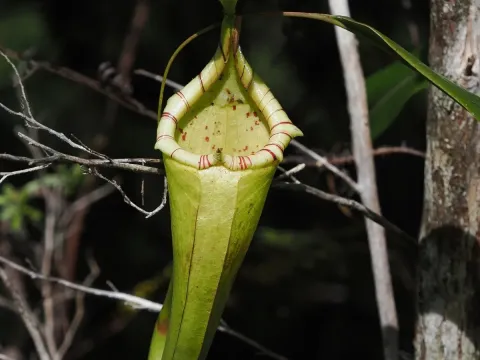
Nepenthes maxima
Nepenthes maxima
Propagation of Nepenthes maxima is most effectively achieved through vegetative cuttings. This method ensures the new plant retains the exact characteristics of the parent, which is essential for maintaining the purity of the specific cultivar.
What the section contains
Nepenthes maxima
Cuttings should be taken from healthy, semi-hardened stems that contain active nodes. Using a sterile blade is crucial to prevent the entry of pathogens into the wound, which can lead to stem rot during the delicate rooting phase.
The cuttings are placed in a high-humidity environment, such as a specialized propagation chamber or a sealed greenhouse container. Maintaining a consistent temperature between 22 and 26 degrees Celsius helps accelerate the development of the root system.
The rooting medium should be loose and sterile, typically consisting of long-fiber sphagnum moss. This substrate provides enough structural support while maintaining the moisture levels required for the cutting to survive until roots form.
Once the root system is established, the young plants require a transition period to acclimate to lower humidity levels. This stage is critical, as sudden environmental changes can cause the plant to drop its leaves and stop growing.
Nepenthes maxima is a member of the Nepenthaceae family, native to the high-altitude forests of Southeast Asia. It thrives in environments characterized by cool nights and warm, humid days with consistent moisture.
Proper lighting is paramount; the plant requires bright, filtered light to produce its iconic pitchers. Excessive direct sunlight can scorch the leaves, while insufficient light will cause the plant to stop producing traps altogether.
The soil must be well-draining and nutrient-poor. A mixture of sphagnum moss, perlite, and orchid bark is highly recommended to ensure oxygen reaches the roots while moisture is retained, mimicking its natural epiphytic habitat.
Water quality is non-negotiable. Only distilled, deionized, or high-quality rainwater should be used for watering. Tap water often contains minerals that accumulate in the substrate, which the sensitive roots of Nepenthes maxima cannot tolerate.
High relative humidity, ideally above 70 percent, is essential for healthy pitcher development. In domestic settings, this often requires the use of specialized ultrasonic misters or enclosed display cases to keep the environment stable.
Common pests affecting this species include spider mites, mealybugs, and aphids. These insects thrive in stagnant air conditions, often clustering in the leaf axils or under the lids of the pitchers, causing severe stress to the plant.
Root rot is the most common physiological ailment, usually caused by overwatering or the use of dense, waterlogged soil. Proper drainage is the most effective preventative measure against these deadly fungal issues.
Improper fertilization is a frequent mistake that can lead to rapid decline. Since the plant is specialized to obtain nutrients through its traps, direct fertilization of the roots with standard garden minerals will cause severe chemical burns.
Botrytis and other fungal infections can affect the foliage during periods of high humidity and poor ventilation. Providing consistent, gentle airflow is necessary to discourage fungal growth and keep the leaves clean.
Regular visual inspections are vital for early pest detection. Removing dead pitchers and cleaning the debris around the base of the plant reduces the risk of attracting opportunistic insects and fungi.