
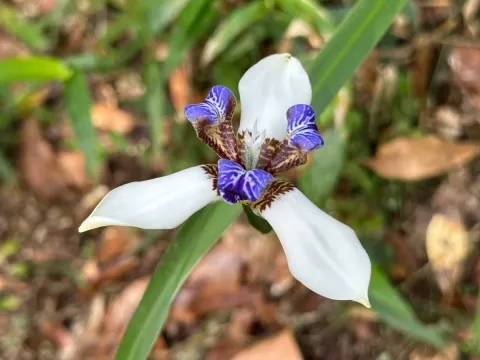
Neomarica
Neomarica
Neomarica belongs to the Iridaceae family and is a perennial herb native to the tropical regions of Central and South America. It is widely recognized for its elegant, sword-shaped leaves that grow in a fan-like arrangement.
What the section contains
Neomarica
This crop thrives in environments that mimic its natural tropical habitat. It prefers bright, indirect light, as direct sun can scorch the foliage and reduce the overall vigor of the plant.
The plant grows from a creeping rhizome. It is famously known as the walking iris due to its ability to produce new plantlets on the flower stalks, which then bend and take root when they touch the soil.
Soil requirements include a well-draining, nutrient-rich substrate. A mix of peat moss, pine bark, and perlite provides the necessary aeration and moisture retention for healthy rhizome development.
Consistent moisture is key during the active growing season. However, it is essential to ensure that the pot has proper drainage holes to prevent the rhizome from becoming waterlogged.
Neomarica is susceptible to common greenhouse pests, including scale insects, mealybugs, and spider mites. These pests thrive in dry conditions and can quickly colonize the base of the fan-shaped leaves.
Root rot is the most serious disease affecting this plant, typically caused by overwatering or soil that lacks proper aeration. It can lead to the rapid decline of the entire plant structure.
To maintain plant health, it is recommended to monitor the moisture level of the substrate carefully and ensure the environment has good air circulation to prevent fungal outbreaks.
Regular visual inspections of the leaf axils are necessary, as pests often hide in these confined spaces, making early detection a critical part of successful management.
In case of pest infestation, the application of horticultural oils or systemic insecticides is effective, provided the treatment covers all surfaces of the leaves and stems.