
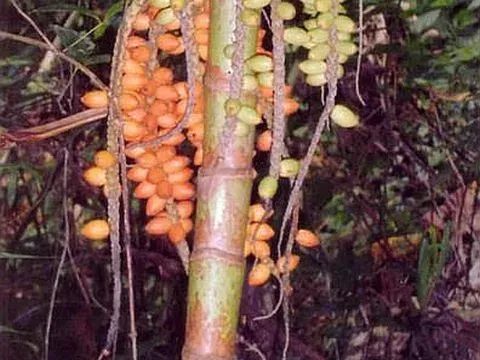
Nenga wendlandiana
Nenga wendlandiana
Nenga wendlandiana is a distinct species of tropical palm belonging to the Arecaceae family. Native to the humid rainforests of Southeast Asia, this plant is primarily valued for its elegant, slender structure and pinnate leaves that add a tropical aesthetic to any collection.
What the section contains
Nenga wendlandiana
The plant requires a strictly tropical environment, meaning temperatures must remain consistently high throughout the year, ideally between 22 and 26 degrees Celsius, with no tolerance for frost or cold drafts which can damage its foliage.
High relative humidity is a prerequisite for its health. Cultivators often utilize humidifiers or pebble trays in indoor settings to maintain moisture levels above 60-70 percent, mirroring its natural ecosystem.
The growing medium must be well-draining, rich in organic matter, and slightly acidic. A mix consisting of peat moss, perlite, and decomposed wood bark is commonly recommended to ensure both aeration and nutrient retention.
Regarding light, Nenga wendlandiana thrives in bright, indirect sunlight. Direct exposure to intense midday sun is strictly prohibited, as it can scorch the delicate leaflets and lead to irreversible dehydration of the plant structure.
Common pests include spider mites and mealybugs, which are particularly attracted to the plant when ambient humidity is insufficient. Regular inspection of the undersides of leaves is recommended for early detection.
Pathogenic threats are usually related to root rot and fungal infections of the stems, triggered by poor drainage or excessive soil moisture that prevents the roots from breathing effectively during the dormant period.