
Nigritella
Nigritella
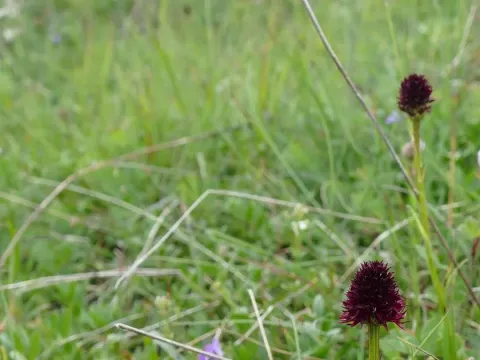
Nigritella, commonly known as vanilla orchid or black vanilla orchid, belongs to the Orchidaceae family. This perennial herb is naturally distributed throughout the alpine and subalpine meadows of Europe, thriving in high-altitude environments.
What the section contains
Nigritella
Botanically, the plant is distinguished by its cluster of small, intensely colored flowers that often form a dense, conical spike. The coloration is remarkable, ranging from deep carmine to near-black, which gives the plant its generic name.
Successful cultivation requires specific soil conditions, specifically calcareous, well-draining substrates. The plant is highly sensitive to root moisture levels; therefore, effective drainage is paramount to prevent rot and promote healthy bulb development.
The climatic requirements for Nigritella reflect its mountainous origin. It favors cooler summers and high levels of sunlight. In domestic gardening, it is best suited for alpine houses or specialized rock gardens where ambient temperatures can be moderated.
The economic value of Nigritella is largely ornamental. It is highly sought after by collectors and gardening enthusiasts who specialize in rare alpine flora. Its propagation is complex, making it a niche plant within the global floriculture industry.
The primary threat to Nigritella is fungal pathogens affecting the tuberous root system, frequently caused by over-irrigation. Maintaining a precise balance of moisture is essential, as waterlogged soil facilitates the rapid onset of fatal root decay.
Mollusks, including slugs and snails, represent a significant pest issue for this plant. They are attracted to the succulent growth of the shoots and can decimate a specimen overnight, necessitating careful monitoring and protective measures.
Soil pH imbalances can lead to severe nutritional deficiencies, manifesting as leaf chlorosis. Since Nigritella is adapted to limestone-rich soils, any deviation toward acidity often results in poor plant vigor and failure to bloom.
Aphids pose a recurring risk during the active growing season, particularly when plants are crowded or lack sufficient airflow. Regular inspection and the use of targeted biological controls are recommended to prevent infestations.
Environmental stress, such as unseasonable winter thaws followed by deep freezes, can damage the crown of the plant. Protective mulching with inert, inorganic materials helps provide the necessary insulation and prevents direct contact with cold, wet soil.