
Nepenthes reinwardtiana
Nepenthes reinwardtiana
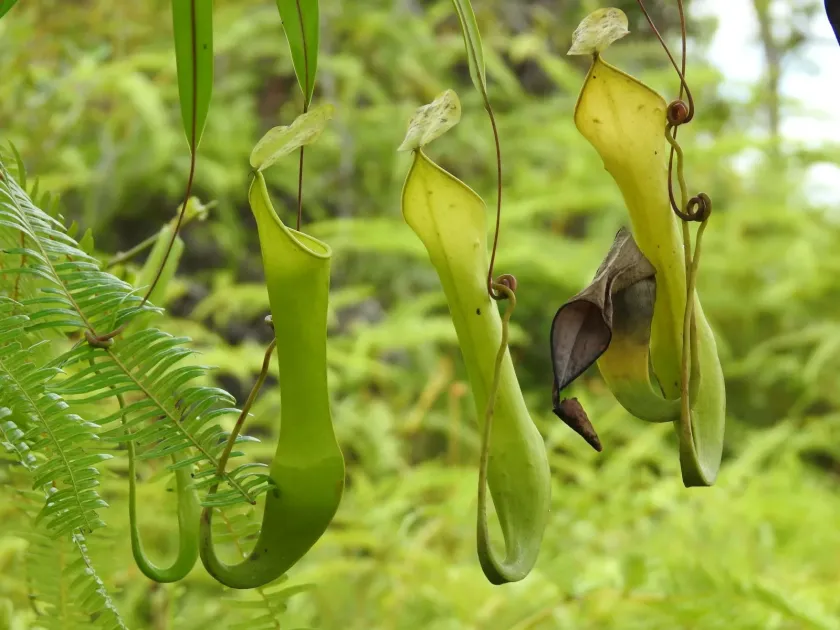
Description
Growing requirements
Nepenthes reinwardtiana is a specialized carnivorous plant belonging to the Nepenthaceae family. Native to the tropical forests of Borneo, this species is highly sought after in specialized horticulture for its unique pitcher morphology and ornamental value.
To cultivate this species successfully, one must replicate its natural tropical habitat. This involves maintaining high ambient humidity, ideally above 80%, to ensure the development of functional pitchers, which serve as the primary source of nutrients in the wild.
Temperature management is a critical agronomic parameter for this culture. The species thrives in a diurnal range of 22–28°C, while providing a significant night-time cooling to approximately 15–18°C is essential for maintaining plant vigor and metabolic health.
The choice of growing medium is fundamental to root longevity. A mix of long-fiber sphagnum moss, perlite, and pine bark is recommended. The medium must be nutrient-poor and acidic to prevent chemical toxicity, which the plant is highly susceptible to.
Water quality must be strictly monitored in industrial or private collections. Only pure distilled water, rainwater, or deionized water should be used. The application of mineral fertilizers is generally avoided, as the plant obtains its nitrogen via insect prey.
Main diseases and pests
Common horticultural pests include mealybugs and spider mites. These organisms thrive in enclosed greenhouse environments if ventilation is inadequate, requiring regular scouting and immediate manual removal or biological control.
Fungal pathogens such as Pythium and various forms of root rot represent the greatest threat. These infections usually stem from waterlogged media combined with insufficient air circulation, necessitating a strict focus on substrate hygiene.