
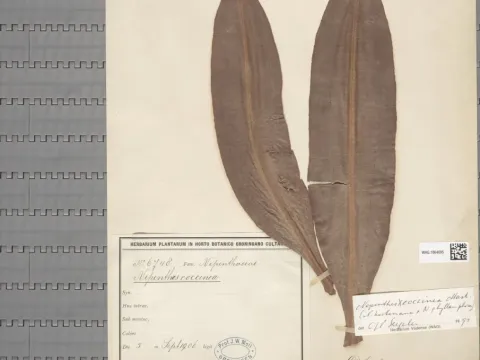
Nepenthes coccinea
Nepenthes coccinea
Nepenthes coccinea is a popular hybrid carnivorous plant belonging to the Nepenthaceae family. It is widely cultivated for its ornamental value, characterized by its striking, deep-red pitchers that function as specialized trapping organs for nutrient acquisition.
What the section contains
Nepenthes coccinea
This species requires a high-humidity environment, ideally maintained between 70% and 85%. In controlled agricultural settings, humidity management is the most critical factor for ensuring the healthy development of new pitchers.
Temperature management is vital, with a preferred range of 20°C to 28°C during the day. As a tropical hybrid, it does not tolerate cold shocks, and maintaining consistent warmth is necessary to prevent the plant from entering a state of stress or dormancy.
The planting medium must be nutrient-poor and acidic to mimic the natural rainforest habitat. A standard successful mix includes a combination of long-fiber sphagnum moss, horticultural perlite, and small chunks of charcoal to promote drainage and aeration.
The plant thrives under bright, diffused light. While it requires 12–14 hours of daily illumination to maintain its vibrant red coloration, direct exposure to intense midday sun must be avoided to prevent foliar scorching and dehydration.
The most common pests affecting Nepenthes coccinea are mealybugs and spider mites, which can quickly colonize the leaves and soft tissue of the growing tips in humid conditions. Frequent monitoring is recommended for early detection.
Root rot, often caused by stagnant water in the pot or poor substrate aeration, represents the primary threat to the plant's health. Ensuring the potting medium remains moist but never waterlogged is essential for disease prevention.
Fungal leaf spot diseases can occur if the airflow in the cultivation area is insufficient. Improving air circulation around the plants helps to keep the foliage dry and prevents the proliferation of harmful pathogens.
Pest management should be carried out using gentle, systemic insecticides if necessary, as high concentrations of chemicals can be phytotoxic to carnivorous species. Avoid introducing chemicals directly into the digestive fluid of the pitchers.
General hygiene, such as removing dead leaves and monitoring the substrate condition, is the best strategy for keeping the plants vigorous. Providing an optimal environment minimizes the need for chemical intervention and supports sustained growth.