
Nepenthes hybrids
Nepenthes hybrids
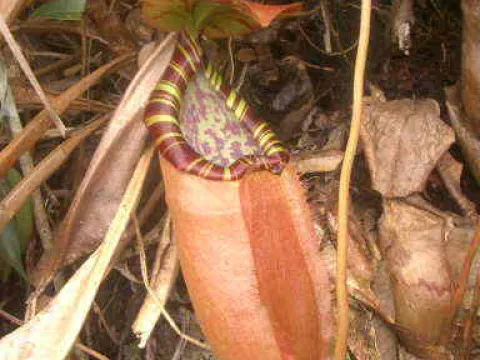
Nepenthes hybrids are cultivated varieties of tropical carnivorous plants belonging to the Nepenthaceae family. These plants are prized in professional horticulture for their robust growth habits and spectacular pitcher development compared to their wild species counterparts.
What the section contains
Nepenthes hybrids
The primary prerequisite for successful cultivation is maintaining high relative humidity, typically ranging between 70% and 90%. In greenhouse environments, this is achieved through sophisticated irrigation systems and climate control automation to prevent desiccation of the pitcher lids.
The choice of growing medium is critical, as these plants possess highly sensitive root systems. They require an extremely acidic, nutrient-poor, and airy substrate, predominantly composed of long-fiber sphagnum moss, perlite, and orchid bark, avoiding all commercial potting soils containing nitrogen.
Light intensity plays a significant role in plant health and coloration. While they thrive under bright, indirect light, excessive direct sunlight can cause leaf necrosis. Using 50% shade cloth in a greenhouse setting effectively mimics the filtered canopy light of their natural habitat.
Water quality must be strictly managed by using only distilled, reverse osmosis, or rainwater. Even minor concentrations of dissolved minerals or salts will accumulate in the substrate, leading to root burn and the eventual decline of the plant specimen.
Common pests affecting these plants include spider mites and mealybugs, which tend to congregate in the leaf axils. Due to the specialized nature of the plants, chemical treatments must be applied with caution, often favoring systemic insecticides at lower concentrations.
Fungal pathogens such as Botrytis and various root rots are frequent threats in low-ventilation environments. Ensuring active air movement through fans and preventing water accumulation on the leaves is essential for long-term health and disease prevention.