
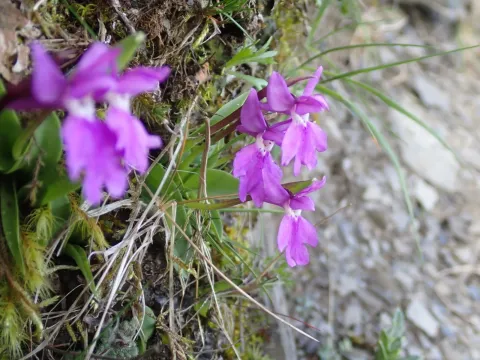
Neottianthe
Neottianthe
Neottianthe is a genus of terrestrial orchids belonging to the family Orchidaceae. These plants are known for their delicate beauty and are typically found in the temperate regions of Eurasia, ranging from forests to alpine meadows.
What the section contains
Neottianthe
Botanically, these plants are characterized by small, spherical tubers that serve as nutrient storage. They usually feature a rosette of basal leaves and an upright inflorescence bearing several small, often fragrant flowers.
The cultivation of Neottianthe requires a well-draining, loose substrate that mimics forest floor conditions. A mixture of leaf mold, peat, and coarse sand or perlite is generally recommended to maintain proper aeration.
Climatic requirements involve stable, cool temperatures during the growing season. The plants do not tolerate extreme summer heat and perform best in partial shade, mimicking their natural forest canopy environment.
Watering must be carefully managed to maintain consistent moisture without creating waterlogged conditions. During the dormant season, the tubers should be kept slightly drier to prevent physiological stress or decay.
Slugs and snails are the most significant pests for Neottianthe in outdoor cultivation. They are attracted to the tender foliage and can destroy an entire specimen in a single night if not controlled.
Fungal infections, particularly root rot, are common threats when drainage is insufficient. It is crucial to monitor soil conditions and ensure that water does not pool around the tubers.
Aphids can infest the inflorescences, causing flower deformity and reduced bloom longevity. Early detection and the use of gentle, orchid-safe insecticidal soaps are recommended for management.
Viral infections can affect the health of the plant, often causing mottled leaves or stunted growth. There is no cure for such infections, so affected plants must be removed to protect the collection.
Soil-borne pathogens may cause rapid decline if the growing medium is contaminated. Maintaining strict hygiene with tools and pots is an essential practice for any successful orchid enthusiast.