
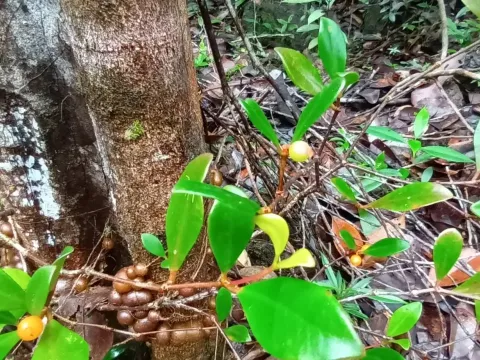
Pachycentria glauca
Pachycentria glauca
Pachycentria glauca is a specialized member of the Melastomataceae family, known for its epiphytic growth habit in tropical environments. As a shrubby species, it naturally colonizes tree trunks and branches, utilizing the forest canopy to access necessary light and humidity.
What the section contains
Pachycentria glauca
Originating from the dense tropical forests of Southeast Asia, this species thrives in regions characterized by high rainfall and warm temperatures throughout the year. It has evolved to survive in environments where soil access is limited, making it a true aerial specialist.
Botanically, the plant is distinguished by its glaucous, blue-tinted foliage which provides a unique aesthetic quality. Its stem anatomy is structured to store small amounts of moisture and nutrients, allowing the plant to withstand short periods of limited water availability in its humid native habitat.
Climatic requirements for successful cultivation include a consistently high ambient humidity level, ideally above 70%, and a stable temperature range. It is sensitive to cold drafts and requires protection from extreme weather conditions that deviate from tropical norms.
Agricultural and horticultural practices for Pachycentria glauca focus on creating a well-draining environment that mimics epiphytic niches. Using coarse, organic-rich potting media such as bark or moss is essential, along with careful watering schedules to prevent root suffocation or desiccation.