
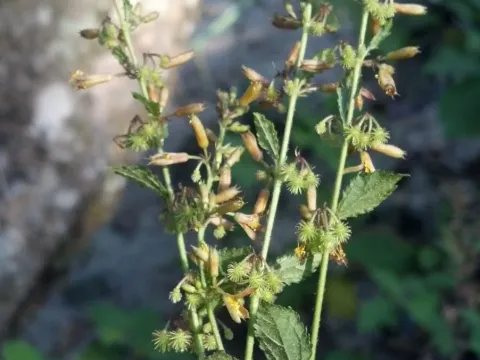
Triumfetta lappula
Triumfetta lappula
Triumfetta lappula is a tropical plant that requires warm weather for optimal germination, typically sown at the beginning of the rainy season to ensure sufficient moisture for seedling establishment.
What the section contains
Triumfetta lappula
The seeds should be planted in well-prepared, warm soil at a depth of 2–3 centimeters, with soil temperatures preferably staying above 20 degrees Celsius to promote uniform growth.
The optimal plant density is critical for high fiber yield; therefore, spacing should be calculated to maintain 150,000 to 200,000 plants per hectare depending on local growing conditions.
Mechanical scarification or pre-soaking of seeds is often recommended to soften the hard outer shell, which facilitates faster water absorption and more reliable germination.
Spacing between rows should be maintained at 40–50 centimeters to ensure that each plant has adequate access to sunlight and soil nutrients during the intensive vegetative growth phase.
As a member of the Malvaceae family, Triumfetta lappula thrives in full sunlight, which is necessary for the development of strong, long, and flexible bast fibers within the stem.
The plant prefers fertile, well-drained loam soils with a neutral pH, and it is highly sensitive to waterlogging, which can severely stunt growth and cause root rot in young crops.
Adequate levels of nitrogen are essential for rapid stem elongation, while sufficient potassium levels are required to improve the overall quality and resilience of the fiber produced.
While the plant shows good tolerance to short dry spells once established, consistent irrigation is advised during the peak growing stage to achieve maximum biomass production.
It performs best in tropical and subtropical regions where the combination of high humidity and warm temperatures facilitates its full life cycle and high fiber accumulation.
The primary economic output of Triumfetta lappula is its bast fiber, which is known for its durability and structural properties, often compared to jute and other commercial fiber crops.
Under intensive cultivation, the crop can yield up to 10–12 tons of dried stems per hectare, depending on soil quality and the effectiveness of moisture and nutrient management.
The fiber content within the stems generally ranges from 15% to 20% of the total dry weight, providing a solid basis for industrial textile production and technical rope manufacturing.
Seed yield is also an important secondary product, with well-managed crops producing between 500 and 800 kilograms of viable seeds per hectare for future propagation.
The biomass left after fiber extraction is rich in cellulose and can be repurposed for pulp and paper manufacturing, enhancing the total utility of the harvested crop.
Fungal root diseases represent the most significant threat, particularly in poorly drained fields or where crop rotation is not practiced, leading to severe yield losses.
Insects, such as aphids and various leaf-eating beetles, often target the plant's foliage during the early stages of development, reducing the photosynthetic efficiency and overall growth.
Stem-boring pests can damage the internal tissues, weakening the plant and negatively affecting the length and structural integrity of the harvested bast fibers.
Weed competition is particularly critical during the first month, as the slow initial growth of the plant makes it vulnerable to being outcompeted by more aggressive tropical weeds.
Proper integrated pest management, including crop rotation and the use of healthy, treated seeds, is necessary to mitigate these threats and ensure a stable and high-quality harvest.
Harvesting is typically timed for the flowering stage, which represents the optimal balance between the total biomass production and the high quality of the extracted fiber.
Stems are harvested by cutting them close to the ground, after which they are bundled and dried, preparing the material for the essential retting process to occur.
Retting, often done by immersion in water, is a crucial step to break down the pectin holding the fibers together, allowing for clean extraction from the woody core of the stems.
Delayed harvesting leads to excessive lignification of the fibers, which makes them coarser and much more difficult to process into usable textile-grade yarns or fabrics.
Once extracted and washed, the fibers are dried in the shade to prevent brittleness, then baled for transport to factories for further spinning, weaving, or industrial applications.