
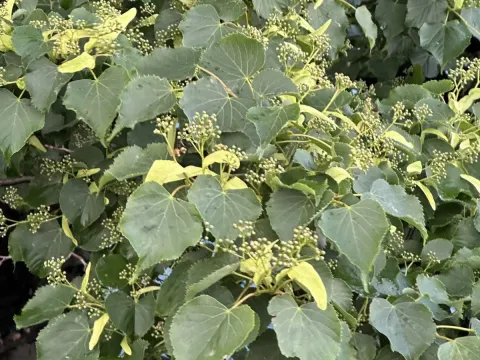
Amur linden
Tilia amurensis
Propagation of the Amur linden is primarily achieved through seeds. Sowing should take place in the autumn immediately after harvesting, allowing the seeds to undergo natural stratification during the winter season.
What the section contains
Amur linden
For spring sowing, seeds require artificial stratification in moist sand at low temperatures for 3 to 4 months. Without this pre-treatment, germination rates remain extremely low.
The seeds should be planted at a depth of approximately 2 to 3 centimeters in loose, well-prepared soil. Maintaining consistent moisture throughout the germination phase is critical.
Mulching the soil surface around young seedlings is recommended to conserve moisture and suppress competitive weed growth during the first few years of development.
Transplanting saplings to their final location is best performed in the early spring before bud break or in the autumn after the leaves have fallen.
Amur linden belongs to the Malvaceae family. This species is highly valued for its exceptional cold hardiness, allowing it to thrive in harsh climates.
It prefers deep, fertile, well-drained loam soils. The tree is sensitive to waterlogged conditions, so adequate drainage is essential for long-term health.
In its native range, the tree typically grows in broad-leaved forests, suggesting a need for protection against strong, drying winds in the early growth stages.
While the Amur linden is shade-tolerant, better growth, denser foliage, and improved aesthetic structure are achieved in locations with full or partial sun exposure.
The ideal soil pH for this species ranges from slightly acidic to neutral. Highly alkaline conditions may lead to nutrient deficiencies and reduced vigor.
The Amur linden is considered one of the most important honey plants in its region, with potential honey yields reaching up to 1000 kg per hectare in favorable years.
Flowering occurs in mid-to-late July, providing a crucial late-summer nectar source for bee colonies when other floral resources may be declining.
The wood of the Amur linden is commercially valued for its lightness, fine grain, and ease of carving, making it a preferred material for musical instruments and woodcrafts.
Linden flowers contain essential oils and flavonoids used in pharmaceutical and cosmetic industries for their therapeutic and soothing properties.
The tree also provides ecological benefits, as its leaf litter is rich in minerals, particularly calcium, which helps improve soil fertility over time.
Primary pests include various leaf-eating insects and caterpillars, which can cause significant defoliation if left uncontrolled during outbreak years.
The linden gall mite is a common pest that creates characteristic growths on the leaves, impacting the photosynthetic capacity and aesthetic value of the tree.
Fungal diseases, such as leaf spot and anthracnose, are often associated with high humidity and poor airflow within the crown of the tree.
Physical injuries to the bark can create entry points for wood-decay fungi, which may lead to internal rot and structural instability over time.
Integrated pest management, including regular sanitary pruning and monitoring for early signs of disease, is effective in maintaining a healthy population.