
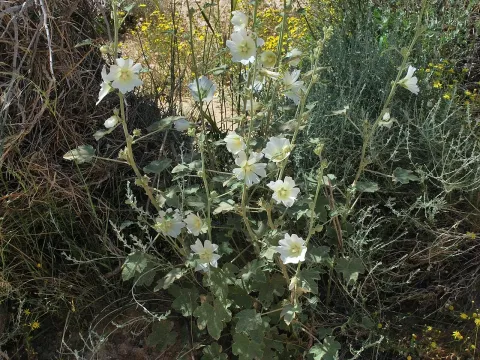
Alcea striata
Alcea striata
Sowing Alcea striata should ideally take place in the spring, once the soil has warmed to at least 12-15 degrees Celsius. This timing ensures rapid germination and vigorous initial growth of the seedlings.
What the section contains
Alcea striata
For those aiming for an early start, starting seeds in controlled greenhouse conditions is a viable option. Seeds should be sown at a shallow depth of no more than 2 centimeters, covered lightly with fine soil.
Strategic plant spacing is essential for this species, requiring 50 to 60 centimeters between individual plants. Adequate space prevents overcrowding, which is a common trigger for fungal outbreaks in the Malvaceae family.
Seed viability remains high for up to 3 years when stored under cool, dry conditions. Pre-treating seeds with growth stimulants can further improve germination uniformity, especially in cooler climates.
As a member of the Malvaceae family, this plant functions well in diverse crop rotation patterns, provided the preceding crops were not also members of the same family, thus preventing soil-borne disease accumulation.
Alcea striata thrives in full sunlight, which is necessary for optimal bloom development and stalk strength. Locations with partial shade may result in weaker, more elongated stems that are susceptible to lodging.
The soil should be fertile, well-draining, and rich in organic matter. While the species is somewhat adaptable, it performs best in neutral to slightly alkaline soil types, avoiding heavy clay substrates that stay waterlogged.
Proper drainage is the most critical factor in successful cultivation. The root system is sensitive to water stagnation, which can lead to rapid decay if the site lacks sufficient aeration or drainage capacity.
While the plant is somewhat drought-tolerant once established, supplemental irrigation during prolonged dry spells is recommended to maintain vegetative vigor and bloom quality throughout the summer months.
Fertilizer application should be balanced, focusing on nitrogen during the early growth phase and phosphorus during the budding phase to ensure robust floral production and overall plant health.
Rust (caused by various fungi) is the primary pathological threat to Alcea striata. It manifests as distinctive circular orange or brown lesions on the leaves, leading to severe defoliation if left unchecked.
Pest management should focus on early detection of aphids and spider mites. These insects can quickly colonize the undersides of leaves, causing structural damage and weakening the plant's natural defense systems.
Powdery mildew is another recurring issue, particularly in humid or stagnant air environments. Increasing plant spacing and improving overall air circulation within the field are effective preventative measures.
Integrated Pest Management (IPM) practices, including the removal of infected plant debris and the use of bio-rational pesticides, are encouraged to protect beneficial insects while maintaining plant productivity.
Continuous monitoring of the field is crucial. Should chemical intervention become necessary, products must be selected carefully to comply with agricultural standards for safety and environmental impact.
The harvest of Alcea striata is typically focused on flowers and roots, both of which possess bioactive properties. Flowers are picked at the peak of their bloom to ensure the highest concentration of active ingredients.
Post-harvest processing involves drying the material in shaded, well-ventilated areas or in climate-controlled dehydrators. This preserves the color and chemical integrity required for commercial use.
Roots are harvested at the end of the second year when their medicinal potential is at its peak. The process involves manual extraction, thorough cleaning to remove soil particles, and careful drying to prevent molding.
Commercial utilization spans from pharmaceutical raw materials to ornamental landscaping. Each application demands a different post-harvest handling protocol to meet specific industry quality standards.
Proper storage is essential for harvested goods. Warehousing should be temperature-controlled and maintain low humidity levels to prevent the degradation of stored plant material over time.