
American basswood
Tilia heterophylla
Description
Growing requirements
Tilia heterophylla, commonly known as the American basswood or silvery-leaved linden, belongs to the Malvaceae family. It is a large deciduous tree native to the eastern parts of the United States, specifically thriving in the Appalachian Mountains.
This species requires deep, moist, and fertile soils to reach its full growth potential. It is sensitive to soil compaction and waterlogging, making well-drained loamy sites the ideal choice for successful plantation development.
The tree exhibits moderate shade tolerance during its sapling stage, allowing it to integrate well into mixed-species forest stands. However, as it matures, it prefers canopy openings that allow for sufficient solar exposure to promote denser crown development.
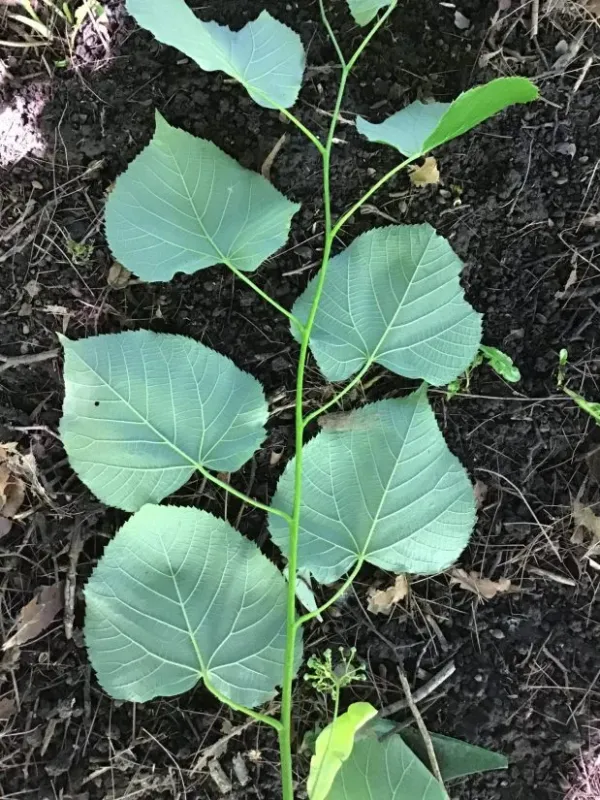
Botanically, the species is distinguished by its leaves, which feature a dark green upper surface and a distinctively silvery-white pubescent underside. This creates a shimmering effect in the wind, which is highly appreciated in landscape design.
In addition to its timber value, Tilia heterophylla is highly regarded as a high-quality nectar source for beekeeping. Its late-season bloom provides a consistent food supply for pollinators, supporting biodiversity in surrounding agricultural landscapes.
Main diseases and pests
Fungal infections such as leaf spot are common issues in humid environments. These diseases can be managed by ensuring proper spacing between trees to facilitate air movement and minimize canopy humidity.
Insect pests, including aphids and various lepidopteran larvae, may feed on the foliage. While usually not fatal to mature trees, heavy infestations can reduce overall growth rates and lead to aesthetic damage.
Scale insects can occasionally infest the bark, extracting vital nutrients. Monitoring tree health and removing heavily infested branches is a standard practice in integrated pest management programs.
Invasive species and environmental stress often serve as primary catalysts for pathogen outbreaks. Maintaining a clean orchard or forest floor environment helps minimize the survival of fungal spores.
Systemic insecticides or organic horticultural oils can be applied when thresholds are reached, but maintaining healthy tree vigor through proper fertilization remains the best defense against major outbreaks.