
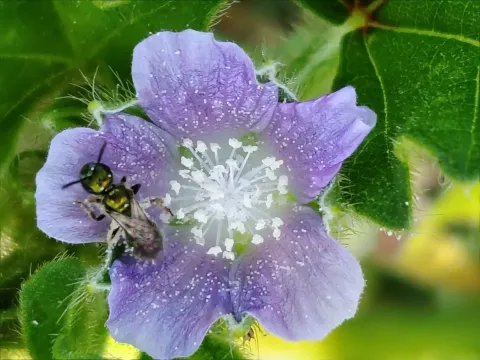
Anoda
Anoda
Anoda is a heat-loving plant, so seeds should be sown in the open field only after the soil has warmed up and all danger of late spring frost has passed.
What the section contains

Anoda
In cooler climates, it is recommended to start the cultivation process by sowing seeds in containers indoors 4 to 6 weeks before the final transplanting date.
The seeds should be planted at a depth of about 0.5 to 1 centimeter, maintaining constant moisture to ensure successful germination and seedling vigor.
Temperature control is essential during the early stages; keeping the environment at 20–22°C promotes uniform emergence within two weeks.
Young seedlings require thinning or individual transplanting to pots to ensure they have enough space to develop a strong root system before field planting.
Belonging to the Malvaceae family, Anoda thrives in areas with full sun exposure, which is necessary for its intense vegetative growth and blooming.
The ideal soil for this culture is fertile, well-drained loam or sandy loam with a neutral pH level, which supports healthy plant development.
While the plant shows moderate drought tolerance, it performs best when supplied with consistent moisture, particularly during active growth phases.
Regular fertilization with balanced NPK fertilizers helps sustain the plant’s health and encourages the production of more flowers throughout the season.
Poor soil drainage must be avoided, as stagnant water significantly increases the risk of root rot and other physiological disorders in Anoda plants.
Powdery mildew is the most common fungal disease affecting Anoda, particularly in environments with poor air circulation and high humidity levels.
Pests such as aphids and spider mites can infest the foliage, leading to yellowing, stunted growth, and a reduction in the overall ornamental value.
Integrated pest management, including regular monitoring and the use of insecticidal soap or biological controls, is highly effective for population management.
To prevent fungal outbreaks, gardeners should avoid overhead watering and ensure adequate spacing between plants to improve overall field ventilation.
Weed control is also crucial, as competitive weeds can host pests and diseases that may easily transmit to the Anoda plants in the vicinity.