
Anisodontea
Anisodontea
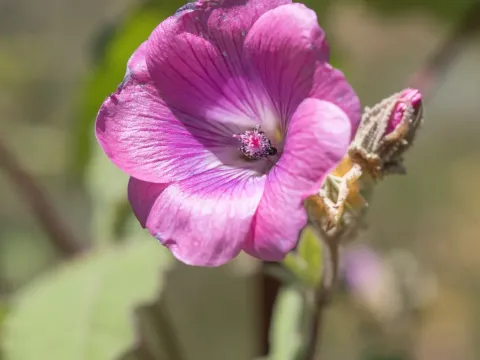
Anisodontea is a genus of evergreen shrubs belonging to the Malvaceae family. These plants are widely recognized for their delicate, cup-shaped flowers that resemble miniature mallows, making them a popular choice for ornamental use.
What the section contains


Anisodontea
The plant originates from South Africa, which dictates its preference for warm, frost-free climates. In cooler regions, it is frequently cultivated in containers and moved indoors during the winter months.
Growing conditions must include full sun exposure to ensure robust growth and continuous flowering. Partial shade may lead to leggy stems and reduced bloom density throughout the growing season.
Well-drained soil is a critical requirement for Anisodontea. Waterlogged conditions promote root diseases, so adding organic matter or perlite to the soil mix is recommended to improve structure and drainage.
Regular pruning is an essential part of the plant's agrotechnics. By trimming the tips of the shoots, the gardener encourages branching, resulting in a fuller, more compact, and floriferous shrub.
Aphids are the most common pests affecting Anisodontea, often congregating on the succulent new growth and causing curling or yellowing of the leaves if left untreated.
Spider mites frequently pose a threat during hot, dry spells, especially when the plant is kept in greenhouse conditions or indoor environments with low humidity.
Powdery mildew represents a significant fungal threat, appearing as a white, dusty layer on the foliage, which is often triggered by poor airflow and stagnant environmental conditions.
To prevent disease outbreaks, ensuring sufficient space between plants is crucial for adequate air circulation, which significantly lowers the humidity around the leaf canopy.
Integrated pest management strategies, including the use of neem oil or targeted insecticides, should be implemented promptly upon the detection of any pest colonies to maintain the plant's aesthetic value.