
Apeiba
Apeiba
Apeiba is a genus of trees within the Malvaceae family, native to the tropical regions of Central and South America. These trees are essential components of neotropical forests, contributing significantly to local biodiversity.
What the section contains

Apeiba
The cultivation of Apeiba requires a strictly tropical environment with high year-round temperatures and substantial annual rainfall. The tree is not cold-hardy and thrives only in frost-free regions with consistent moisture levels.
Ideal soil conditions involve deep, well-draining substrates rich in organic matter. While the species can adapt to various forest soils, it performs best in sheltered areas that are protected from severe, direct wind exposure.
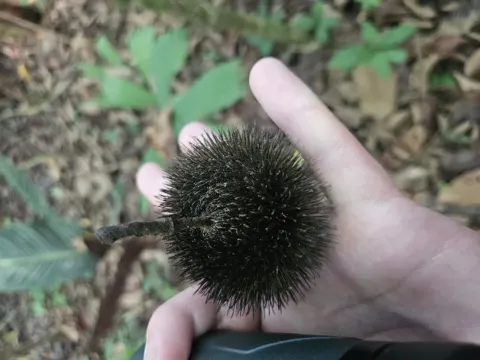
The botanical structure of Apeiba includes characteristic orbicular or flattened fruits covered in bristles or spines, which house numerous small seeds. Its foliage is typically broad and provides significant canopy cover in its natural habitat.
Commercially, the tree is recognized for its very light and soft wood. Historically and currently, this wood is utilized in various industries for manufacturing models, lightweight furniture components, and specialized packaging materials.
The primary diseases affecting Apeiba are fungal pathogens that exploit the high humidity of the rainforest environment. These infections often target the root systems, leading to progressive decay if not monitored.
Insect pests such as wood-boring beetles present a consistent challenge for silviculture. These organisms can compromise the structural integrity of the wood, rendering it unsuitable for high-quality timber applications.
Competitive pressure from fast-growing invasive vines and canopy-dwelling lianas often limits the development of young Apeiba trees. Clearing competitive vegetation is a standard management practice in managed stands.
Large-scale deforestation remains the most critical threat to the genus, leading to fragmented populations. Habitat loss disrupts natural seed dispersal mechanisms and reduces genetic diversity within the species.
Soil nutrient depletion due to poor management practices in secondary forests can also stunt growth rates. Proper nitrogen management and mulching are essential to maintain the health of the trees in cultivated settings.