
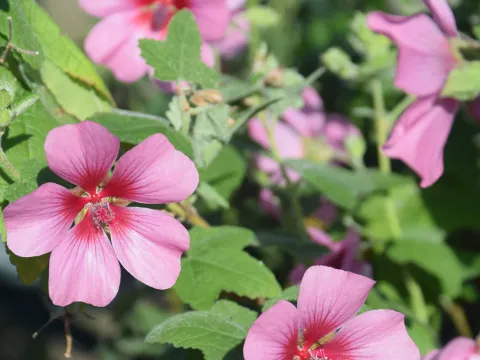
Anisodontea
Anisodontea K.B. Presl
Anisodontea is a genus of evergreen shrubs belonging to the Malvaceae family. Propagation is primarily achieved through seeds or semi-hardwood cuttings. Seeds should be sown in late winter in a greenhouse environment to ensure a warm germination period.
What the section contains


Anisodontea
Once seedlings have developed their first true leaves, they should be transplanted into individual containers. This phase is crucial for developing a strong root system before the young plants are introduced to the outdoor environment.
Cuttings are highly recommended for home gardeners as they ensure the propagation of specific cultivar characteristics. Cuttings should be taken in the summer and placed in a high-humidity environment until roots are well established.
When planting outdoors, choose a location with well-draining soil. Anisodontea appreciates a sunny spot but requires a period of acclimatization if moved from indoors to the garden to avoid leaf scorch.
Space the plants adequately to ensure good airflow. Crowded planting conditions can significantly increase the risk of fungal outbreaks, which are the main health challenge for this species.
As a plant of South African origin, Anisodontea thrives in full sun and warmth. It is an excellent choice for borders or containers in temperate climates, provided it receives at least 6–8 hours of sunlight daily.
The soil should be fertile, light, and slightly acidic to neutral. Adding organic matter or horticultural sand to the substrate helps in maintaining the required drainage levels for optimal root health.
Watering is necessary throughout the growing season, but the soil must be allowed to dry slightly between applications. Overwatering is the most common cause of failure in container-grown specimens.
Fertilizer application should focus on promoting flowering. A balanced liquid fertilizer applied fortnightly during the summer will support the continuous production of blooms throughout the season.
Protection from frost is essential. In colder zones, the plant must be brought indoors before the first autumn frost. It prefers a cool, bright wintering spot where it can enter a period of semi-dormancy.
Pests like aphids and spider mites are frequent visitors, especially when the plant is stressed by heat or low humidity. Regular monitoring of the foliage is essential for early detection.
Systemic insecticides or horticultural soaps can be used to manage infestations. Always ensure the entire surface of the leaves, especially the undersides, is covered during treatment for maximum effect.
Powdery mildew represents the primary disease risk. It appears as a white, dusty layer on leaves and is usually triggered by high humidity and poor circulation around the plant's canopy.
Root rot occurs if the plant sits in saturated soil. Ensuring that containers have adequate drainage holes is the simplest way to prevent this common and often fatal issue for the plant.
- Light pruning after the first flush of flowers encourages bushiness.
- Removing dead foliage helps maintain the aesthetic appeal and prevents fungal growth.