
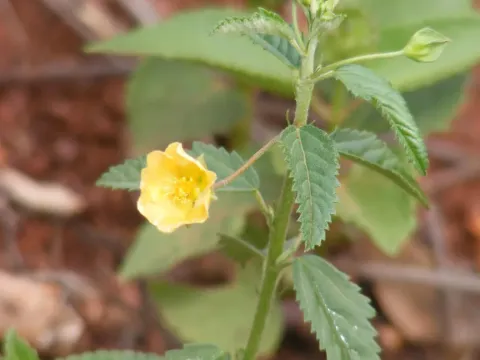
Sida dregei
Sida dregei
Sida dregei is a perennial subshrub belonging to the Malvaceae family, recognized for its potential as a fiber-producing crop. The plant is characterized by its upright growth habit and fibrous stem structure, which makes it a subject of interest for sustainable agricultural research.
What the section contains
Sida dregei
Originating from Southern Africa, the species is naturally adapted to moderate and subtropical climates. It displays remarkable resilience to high temperatures and can thrive in regions with specific rainfall patterns, provided that the soil is well-drained and prevents waterlogging.
Cultivation requirements involve fertile, loose soils with a neutral or slightly acidic pH balance. The plant excels in environments with high light intensity, which is essential for maximizing biomass production and the subsequent development of high-quality plant fibers.
Agronomic management relies on precise soil preparation and regular weeding during the early stages of development. Proper aeration of the soil is crucial, as the roots are sensitive to compaction and anaerobic conditions, which can significantly hinder the plant's growth potential.
The industrial utility of Sida dregei is primarily tied to the extraction of bast fibers, which are used in various textile and composite applications. Additionally, the plant's deep root structure contributes to soil stabilization, making it a valuable crop for sustainable land management.
Like many other members of the Malvaceae family, Sida dregei is susceptible to common pests such as aphids, spider mites, and whiteflies. These insects can cause significant damage to foliage, potentially reducing the plant's overall vigor and fiber quality.
Fungal pathogens, including various leaf spot diseases and root rots, represent a major threat, particularly in regions with high humidity or poor field drainage. Implementing crop rotation cycles is vital to prevent the accumulation of soil-borne pathogens and maintain healthy yields.
Weed management is a critical factor for success during the establishment phase. Competition for nutrients and water by invasive species can suppress Sida dregei growth, requiring consistent mechanical cultivation or strategic management during the first few weeks after germination.
Planting density plays a significant role in managing the threat of diseases; overcrowded fields lack proper air circulation, creating an environment that favors fungal development. Optimal spacing is recommended to balance the production per hectare with the need for a healthy, ventilated canopy.
Overall, effective pest and disease management is based on a proactive approach, including monitoring of biological indicators and the use of integrated pest management (IPM) strategies to ensure long-term sustainability and profitability of the crop production.