
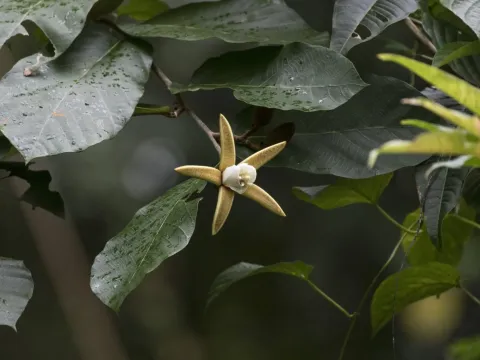
Pterospermum
Pterospermum
Pterospermum belongs to the Malvaceae family. This genus consists of evergreen trees and shrubs native to the tropical and subtropical regions of Southeast Asia. It thrives in humid environments where temperatures remain consistently high throughout the year.
What the section contains
 Dinner Plate Tree
Pterospermum acerifolium
Pterospermum celebicum
Pterospermum celebicum
Dinner Plate Tree
Pterospermum acerifolium
Pterospermum celebicum
Pterospermum celebicum
 Pterospermum diversifolium
Pterospermum diversifolium
Pterospermum diversifolium
 Pterospermum elongatum
Pterospermum elongatum
Pterospermum elongatum
 Pterospermum javanicum
Pterospermum obliquum
Pterospermum obliquum
Pterospermum semisagittatum
Pterospermum semisagittatum
Pterospermum javanicum
Pterospermum javanicum
Pterospermum obliquum
Pterospermum obliquum
Pterospermum semisagittatum
Pterospermum semisagittatum
 Pterospermum suberifolium
Pterospermum subpeltatum
Pterospermum subpeltatum
Pterospermum suberifolium
Pterospermum suberifolium
Pterospermum subpeltatum
Pterospermum subpeltatum
 Pterospermum xylocarpum
Pterospermum xylocarpum
Pterospermum xylocarpum
Pterospermum
The climate requirements for Pterospermum are strictly tropical. It does not tolerate frost and prefers regions where the mean annual temperature remains above 20 degrees Celsius. Exposure to cold winds or temperature drops significantly slows down the metabolic processes of the tree.
Soil requirements involve deep, well-drained, and nutrient-rich substrates. The tree performs best in fertile loams. It is essential to ensure that the site does not have a high water table, as waterlogged conditions lead to root hypoxia and fungal infections.
Light intensity is critical for the growth of Pterospermum. While adults require full sun to reach their maximum potential in biomass production, young saplings benefit from partial shade to protect them from intense direct sunlight during the establishment phase.
Regarding agricultural practices, regular moisture management is key. Although the tree is adapted to its natural humid habitat, plantations in cultivated conditions require irrigation systems to maintain growth rates during the drier seasons of the year.
The primary economic use of Pterospermum is timber production. The wood is highly valued for its durability, fine texture, and resistance to pests, making it an excellent resource for high-end furniture manufacturing and interior woodwork.
In addition to timber, certain species are utilized for their essential oils, which are harvested from the aromatic flowers. These oils find their way into the fragrance and cosmetic industries, adding value to the plantation beyond raw lumber.
The species also plays a role in landscape architecture and urban forestry. Its dense canopy provides significant shade and contributes to air purification in tropical metropolitan areas, serving both aesthetic and environmental functions.
Yield management requires careful monitoring of growth rates. Consistent nutrient application and proper spacing are necessary to maximize the volume of merchantable timber produced per hectare over a rotation cycle of several years.
Technological improvements in seed selection and nursery management are ongoing. Modern plantations aim to increase the genetic uniformity of stocks to ensure more predictable wood quality and faster maturity times in future cycles.
The primary threats to Pterospermum include root rot and other fungal diseases, which are exacerbated by poor soil drainage and high humidity. These pathogens can cause significant mortality if not managed with proper site preparation.
Insect pests, particularly wood-boring beetles, pose a major threat to the quality of the timber. These insects create tunnels in the trunk, which significantly reduce the structural integrity and aesthetic value of the harvested wood.
Defoliating insects can be a concern for young plantations. Excessive leaf loss reduces the tree's photosynthetic capacity, which directly translates to stunted growth and longer rotation cycles for the forest manager.
Integrated Pest Management (IPM) is the recommended approach for these plantations. This includes biological controls, such as encouraging natural predators, alongside targeted chemical applications during critical outbreaks.
Regular sanitation, such as the pruning of dead or diseased branches, is vital. This practice improves air circulation within the canopy and helps prevent the spread of pathogens, ensuring the long-term health and productivity of the stand.