
Poppy mallow
Callirhoe alcaeoides
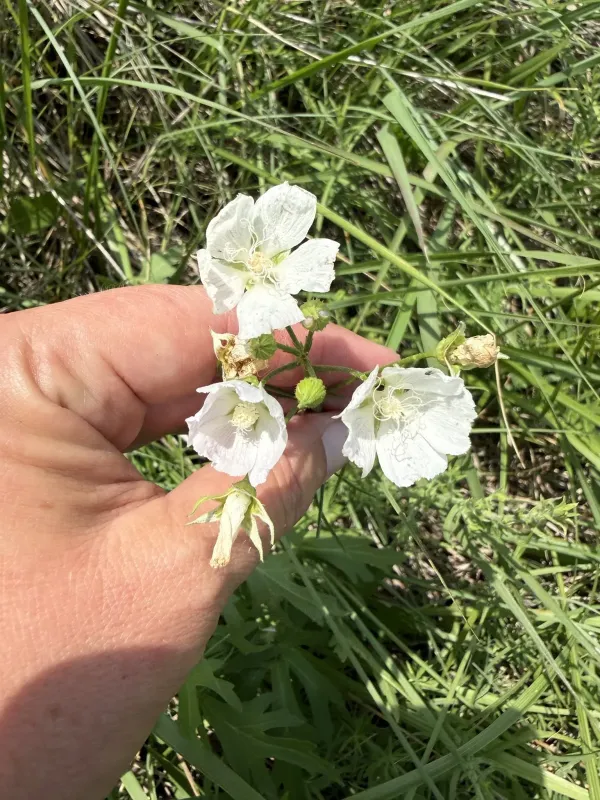
Description
Sowing dates
Sowing seeds of Callirhoe alcaeoides is best performed in the spring once the soil has warmed up, or during the late autumn for natural winter stratification.
The seeds possess a tough seed coat, which is why scarification is often recommended to ensure uniform and rapid germination rates after sowing.
Seeds should be sown shallowly, ideally at a depth of 1–2 cm, as they require adequate light exposure for successful germination and initial development.
Maintain a spacing of 30–40 cm between plants to ensure that each individual has enough space for its robust taproot system to establish properly.
If starting seeds indoors, use peat pots to allow for direct planting, as the taproot is extremely sensitive to disturbance and transplant shock.
Growing requirements
Callirhoe alcaeoides is a member of the Malvaceae family, native to the prairies of North America, adapted perfectly to open and sunny environments.
Full sun is a critical requirement for this species; plants grown in shady conditions tend to develop weak, leggy stems and produce significantly fewer flowers.
The ideal soil for this species is well-drained, sandy or gravelly loam, as the plant is highly susceptible to root rot if water lingers in the soil.
It is remarkably drought-tolerant once established, thanks to its deep taproot, making it an excellent candidate for xeriscaping or rock gardens.
The species thrives in low-fertility soils and generally does not require intensive fertilization, as overly rich soil can lead to excessive foliage growth.
Main diseases and pests
Fungal diseases like powdery mildew can occur during periods of high humidity and poor air circulation, necessitating prompt attention to spacing.
Common insect pests include aphids and spider mites, which can become problematic during prolonged hot and dry weather if the plant is stressed.
Root rot is the most significant threat to the survival of the plant, often resulting from improper drainage or over-watering in clay-heavy soils.
Regular maintenance, including the removal of dead foliage at the end of the season, is essential for reducing the inoculum load of potential pathogens.
Monitoring the undersides of leaves during peak heat is an effective way to catch pest infestations early before they cause substantial aesthetic damage.