
Pterospermum suberifolium
Pterospermum suberifolium
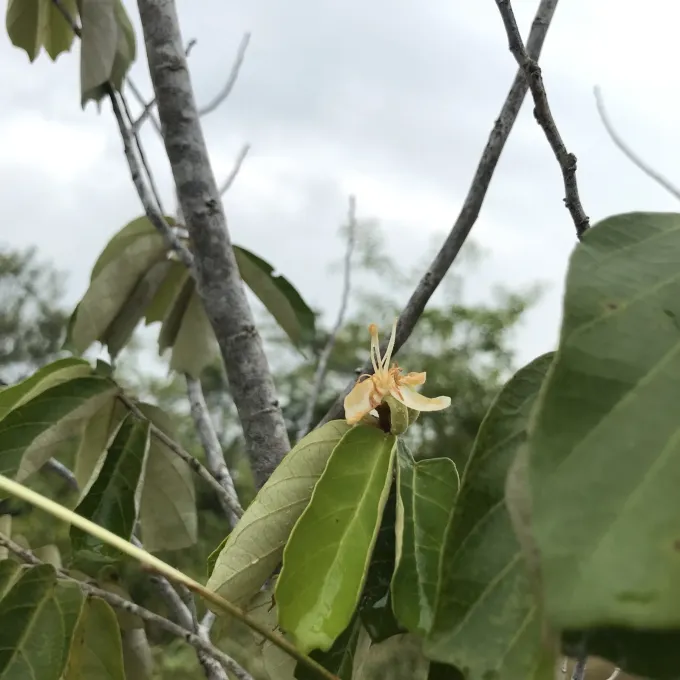
Description
Sowing dates
Propagation of Pterospermum suberifolium is typically achieved through seed germination. Fresh seeds are highly recommended, as their viability decreases rapidly over time. It is crucial to sow the seeds in well-draining, nutrient-rich potting mix to facilitate early root development.
Seeds should be covered with a light layer of soil, approximately 1-2 cm deep, to provide the necessary darkness while ensuring they are not buried too deeply. Maintaining a stable temperature between 25°C and 30°C is essential for a high germination rate in a nursery setting.
Adequate moisture must be maintained throughout the germination period, ensuring the soil remains damp but not waterlogged. Once the seedlings reach a height of approximately 15 cm, they are ready for transplanting into individual containers or nursery beds.
Spacing is a critical factor for the long-term health of the plantation. Trees should be planted at least 5 to 7 meters apart to allow for proper canopy development and sufficient airflow around each individual specimen, which prevents disease spread.
Young plants are sensitive to direct, harsh afternoon sunlight and should be partially shaded during their first few months of growth. Gradually exposing them to full sun will help harden them for permanent field conditions.
Growing requirements
Pterospermum suberifolium belongs to the Malvaceae family and thrives in tropical climates characterized by warm temperatures and high relative humidity. It requires full sun exposure to maintain its characteristic growth habit and dense foliage density.
The tree prefers deep, fertile, and slightly acidic to neutral soil types. While it can adapt to various soil compositions, it demands a well-drained substrate to prevent root asphyxiation, as it is highly susceptible to rot under prolonged waterlogged conditions.
Water requirements are highest during the active growth season. Consistent moisture is necessary for the development of new leaves and branches, although established trees demonstrate a moderate degree of tolerance to short dry spells.
Nutrient management involves applying organic matter, such as compost, at the beginning of the growing season to support canopy expansion. Excessive synthetic nitrogen fertilizers should be avoided to prevent weak, succulent growth that may attract pests.
Protection against high-velocity winds is recommended for young trees, as the wood can be brittle during its development. Using windbreaks or protective stakes is a standard practice in commercial plantation management for this species.
Main diseases and pests
Fungal diseases, specifically leaf spots and root rots, represent the most significant threat to the health of Pterospermum suberifolium. These are primarily caused by poor sanitation practices and inadequate drainage in the root zone.
Pests such as aphids and various leaf-eating caterpillars frequently infest young shoots. Integrated pest management strategies, focusing on biological controls and manual removal, are highly effective in managing these outbreaks without harming the local ecosystem.
Mealybugs can become problematic in dense, poorly ventilated areas of the crown. Regular pruning to improve air circulation helps reduce the habitat available for these insects and significantly minimizes the risk of colony establishment.
Soil-borne nematodes can impact the growth of trees planted in sandy soils. Implementing a crop rotation system or planting non-host cover crops can mitigate the impact of these microscopic pests on the long-term productivity of the plantation.
In cases of severe infection, copper-based fungicides may be utilized as a remedial measure. However, primary control should always rely on maintaining optimal environmental conditions and ensuring that the trees are never stressed by nutritional or water deficiencies.